Case Study

Agentic AI Design System Cuts Team Size 50% in 4 Months

Title

Two designers delivered the output of a four-person team in four months. Agentic AI ran as the operating layer across discovery, design, prototyping, and documentation
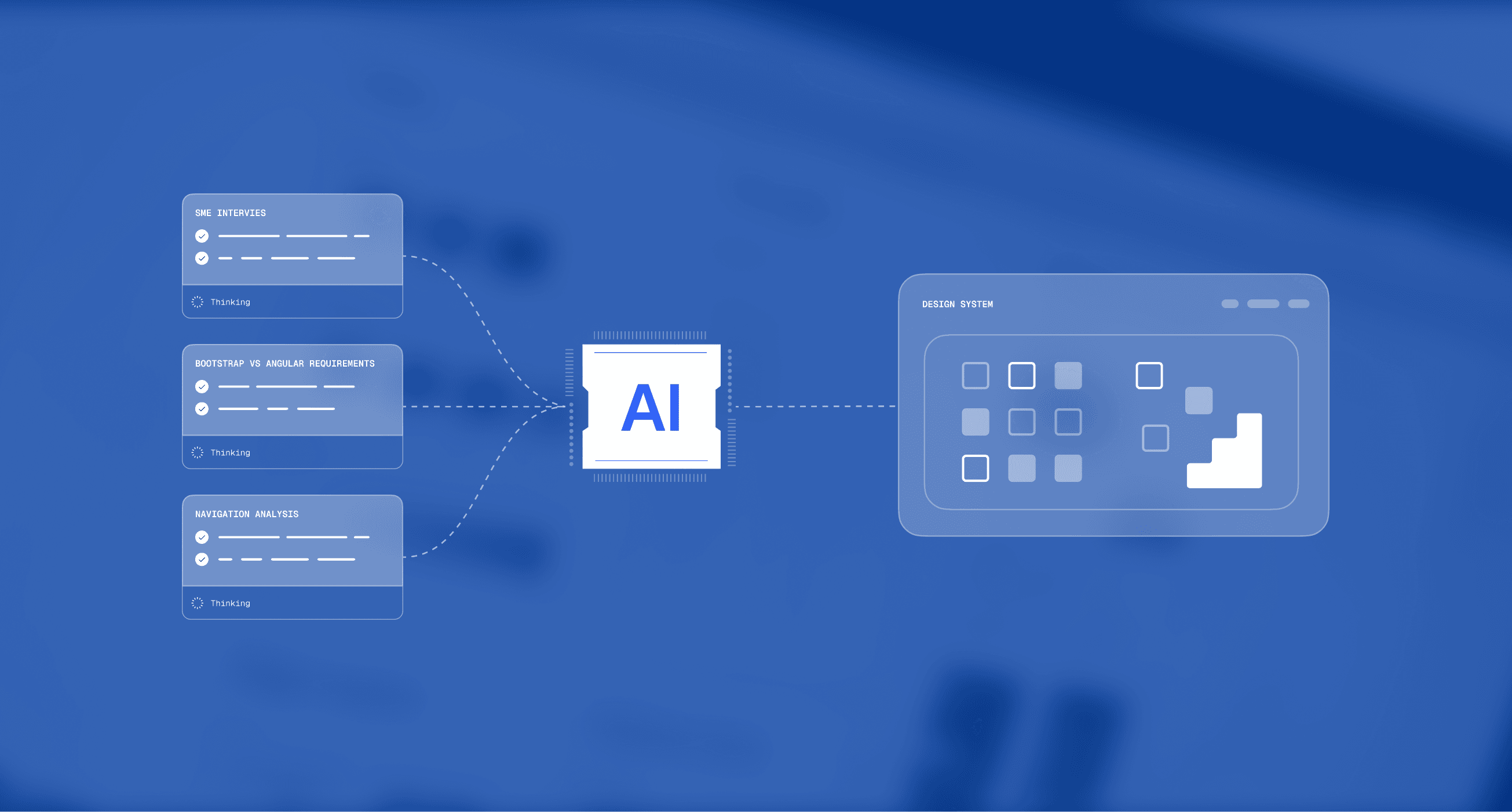
an illustration of a AI-powered enterprise design system

Client

A technology provider for financial content distribution, with clients such as Wells Fargo, Merrill Lynch, BlackRock, Edward Jones, and others.

Project Duration

4 months

4 months

Problem

A financial services compliance platform inherited UX fragmentation through acquisition. The acquired products each carried their own interface patterns, design conventions, and front-end architecture.

The work was to unify the products under a single brand and build an enterprise design system that supports multiple frameworks, including Bootstrap and custom Angular.

The harder problem was structural: aligning design, engineering, and product teams around one shared system that scales as the platform grows.

Our Vision

Roko Labs used agentic AI across the design system lifecycle, from discovery to documentation, with Cursor, Claude, Codex, and Atlassian integrations via MCP (Model Context Protocol).

Agentic AI ran as a continuous system, not a point solution. It supported discovery, design, prototyping, and documentation. AI workflows processed large datasets in real time, mapping patterns at a scale manual review could not match.

We validated outputs with internal stakeholders and key customer accounts, aligning the system with both technical constraints and go-to-market priorities.
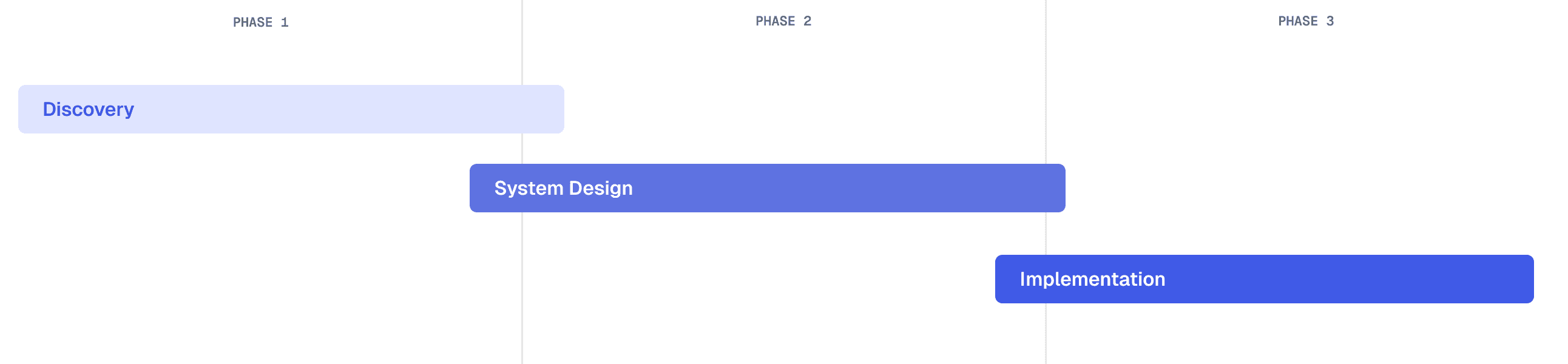
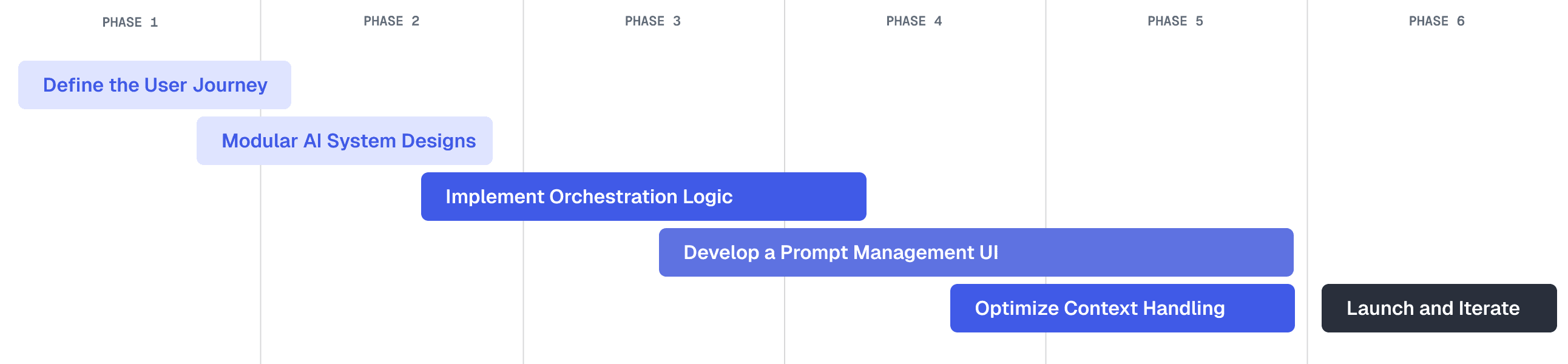
Phased timeline for building an AI‑orchestrated enterprise design system, from discovery through system design to implementation.

Our Approach

Interconnected AI workflows interacted with project artifacts, documentation, and communication platforms in real time. The stack: Cursor, Claude Code, Codex, and Atlassian (Jira and Confluence), connected through MCP (Model Context Protocol).

The AI systems shared project context rather than operating in isolation. Outputs stayed consistent across discovery, design, and delivery. The design team prototyped engineering-ready designs. AI managed alignment across the project's constraints.

The result was an AI-native operating layer that let a small team move faster, stay coordinated, and take on more work
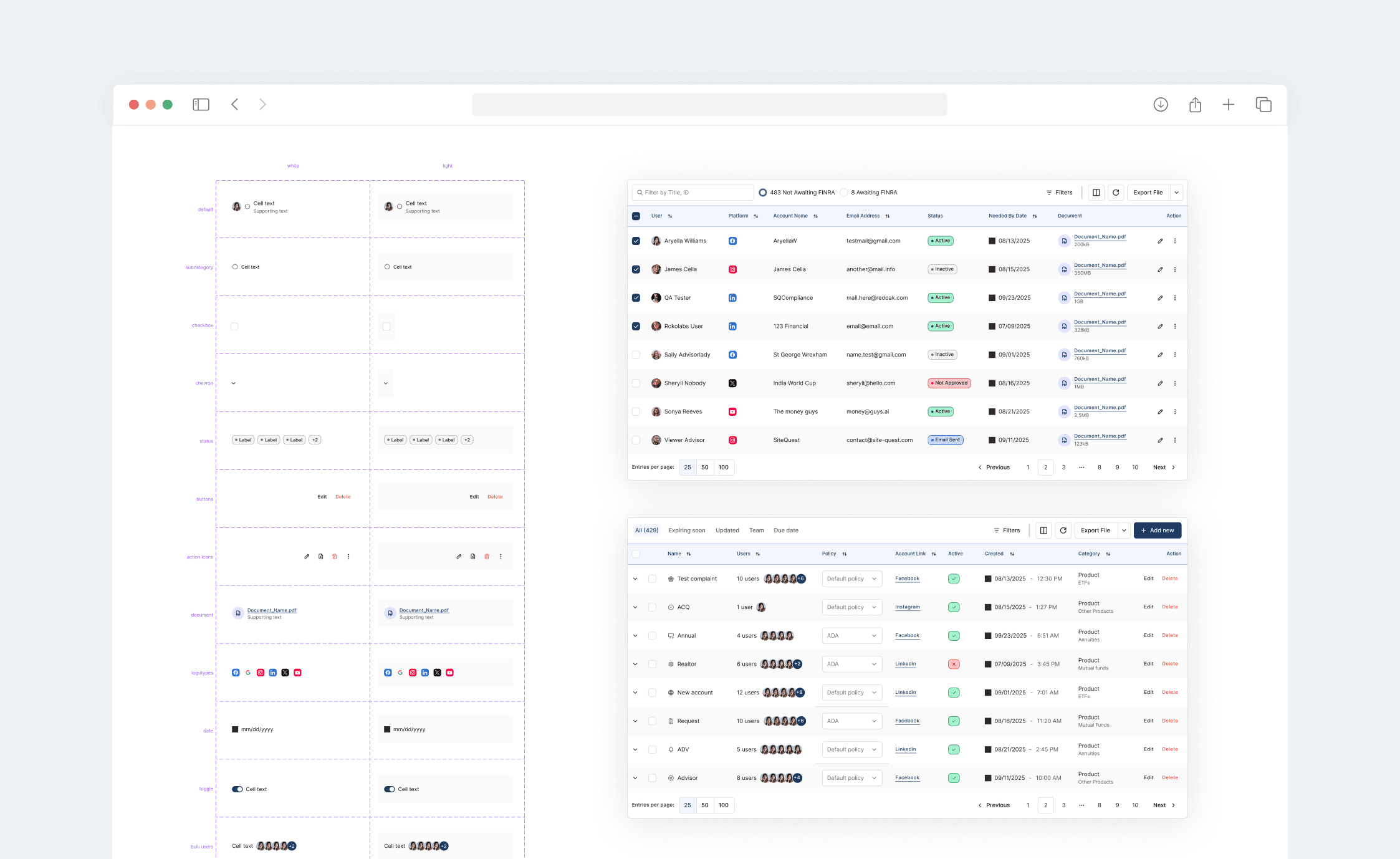
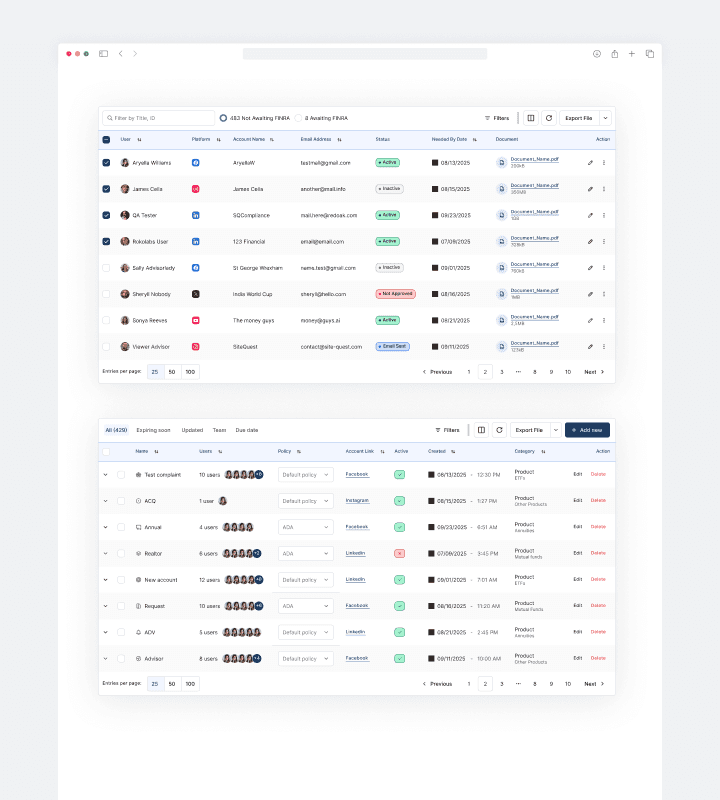
Enterprise application UI examples showing complex layouts and data tables supported by an AI‑orchestrated design system.
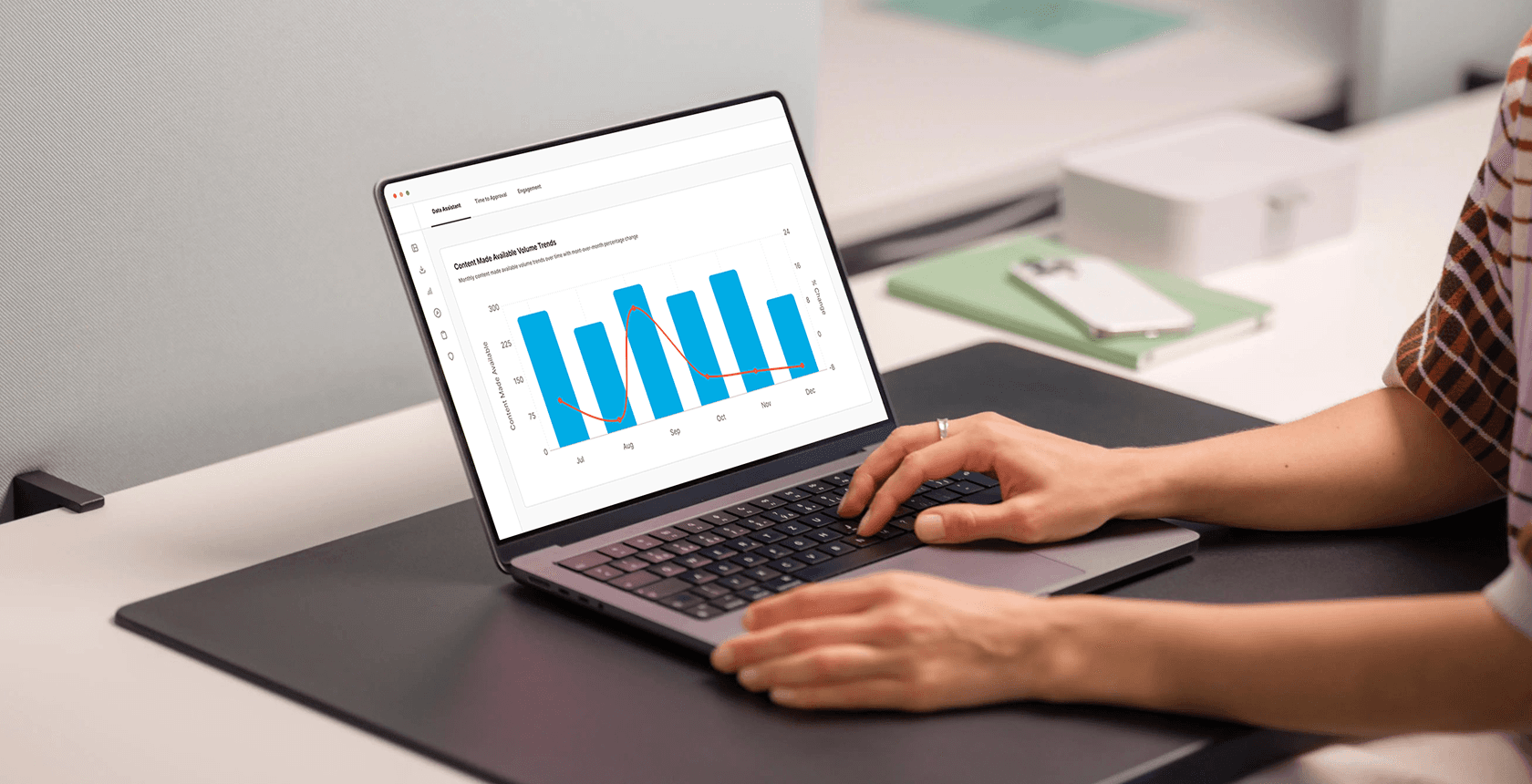
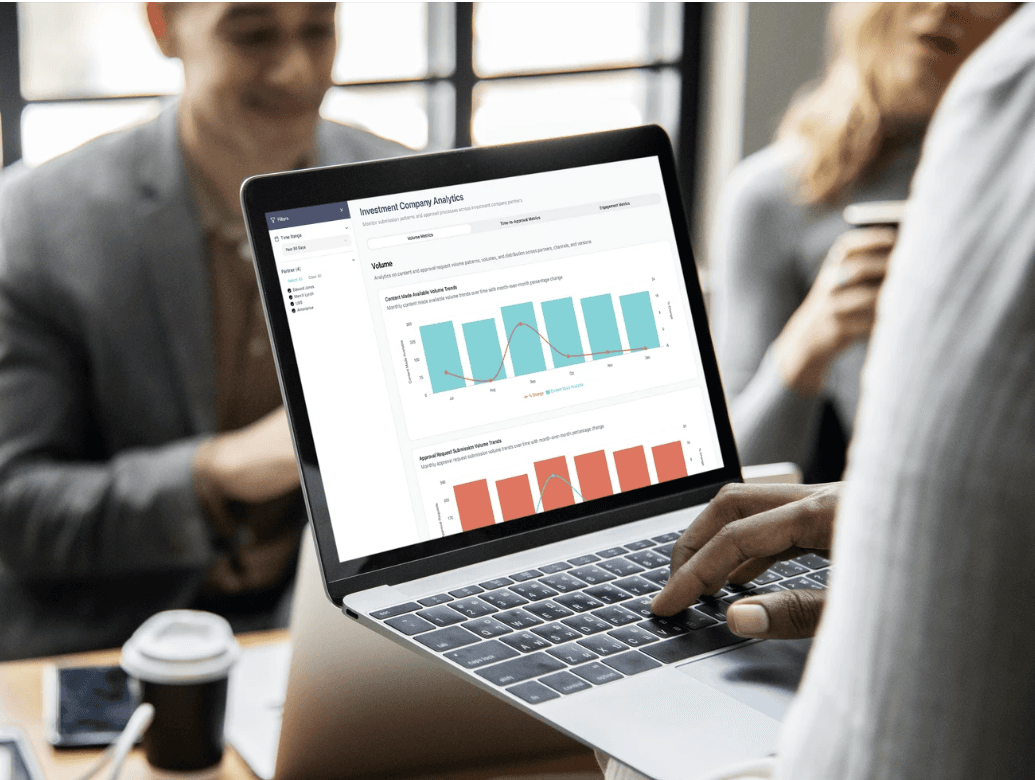
Designer using an enterprise design system interface to manage color scales and UI tokens, illustrating AI‑orchestrated design workflows that ensure consistency and scalability across enterprise applications.
Enterprise application UI examples showing complex layouts and data tables supported by an AI‑orchestrated design system.
Designer using an enterprise design system interface to manage color scales and UI tokens, illustrating AI‑orchestrated design workflows that ensure consistency and scalability across enterprise applications.
Enterprise application UI examples showing complex layouts and data tables supported by an AI‑orchestrated design system.
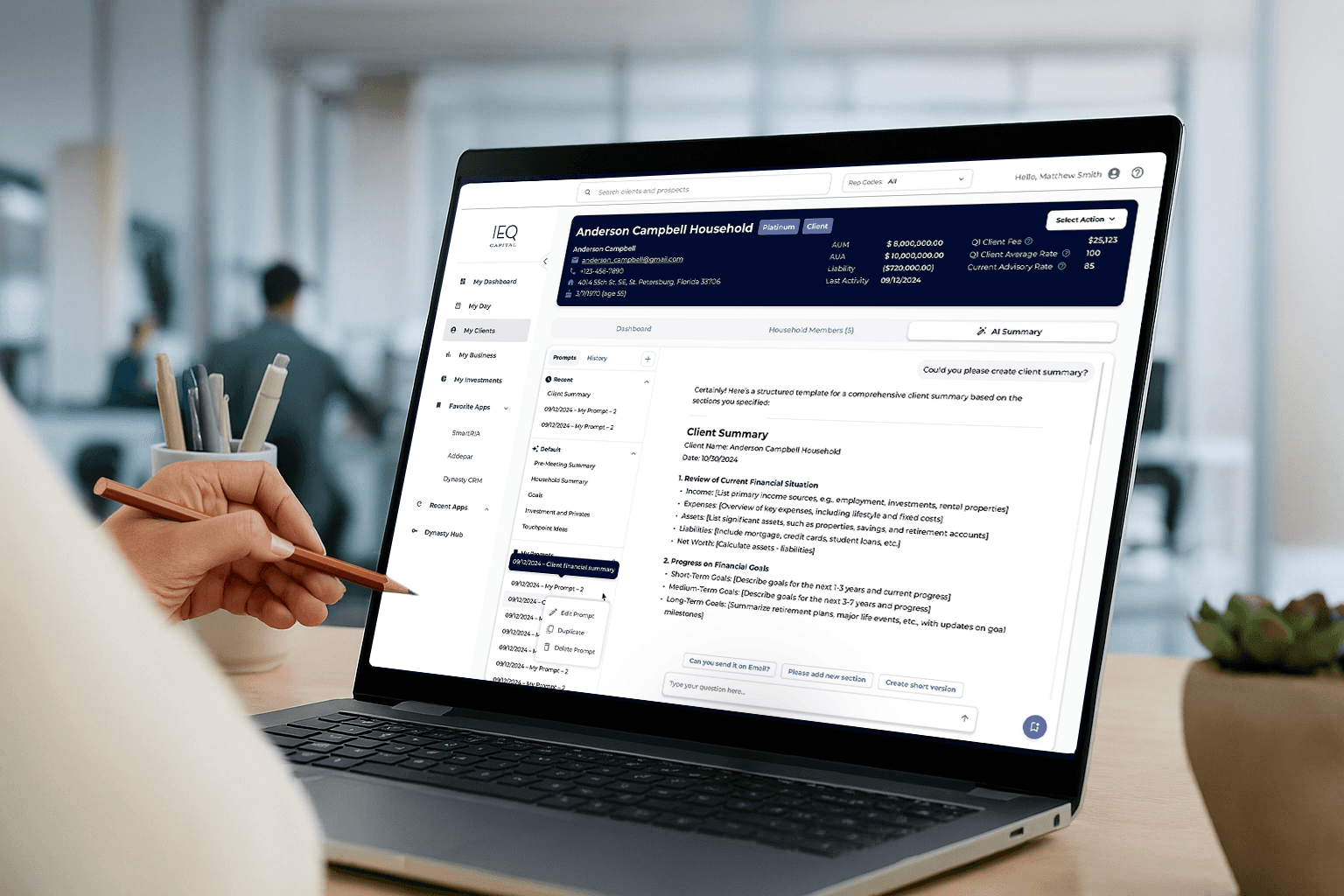
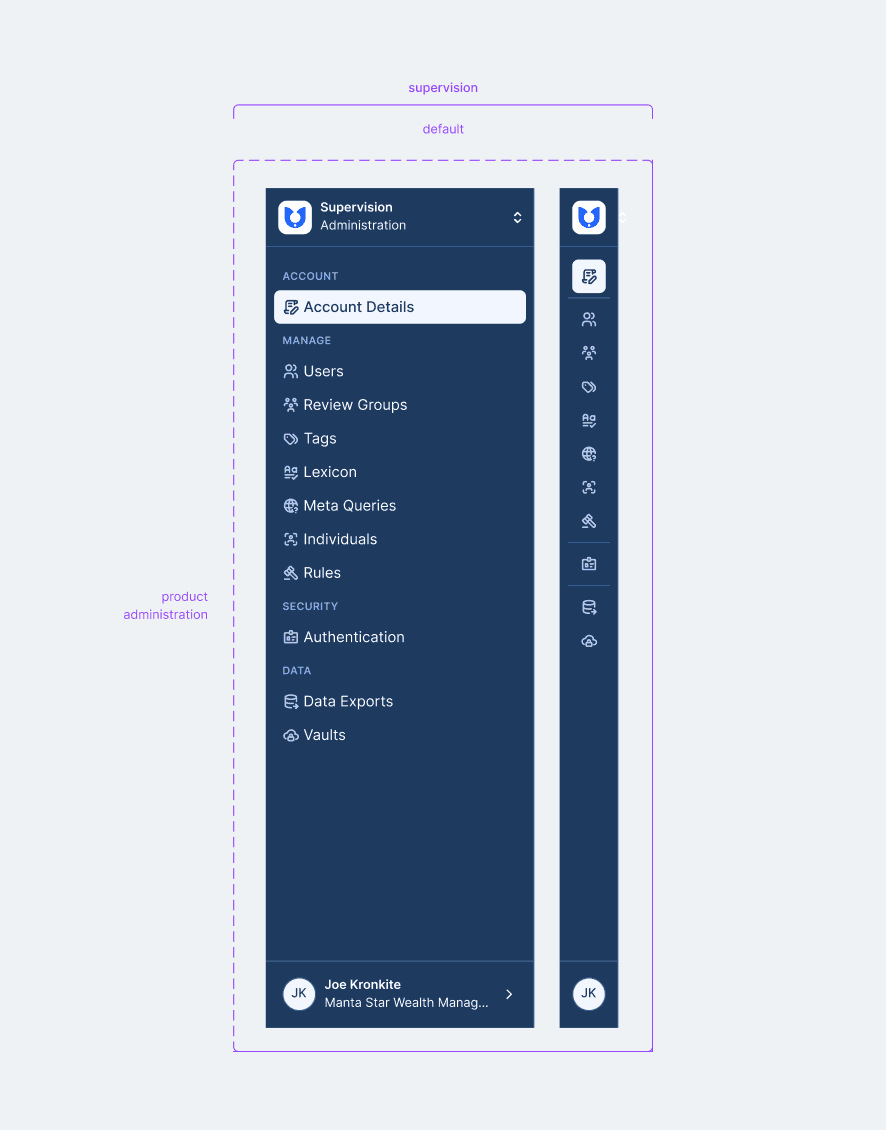
Enterprise application side navigation example created within an AI‑orchestrated design system to ensure consistency, scalability, and usability across products.
Designer using an enterprise design system interface to manage color scales and UI tokens, illustrating AI‑orchestrated design workflows that ensure consistency and scalability across enterprise applications.

Process

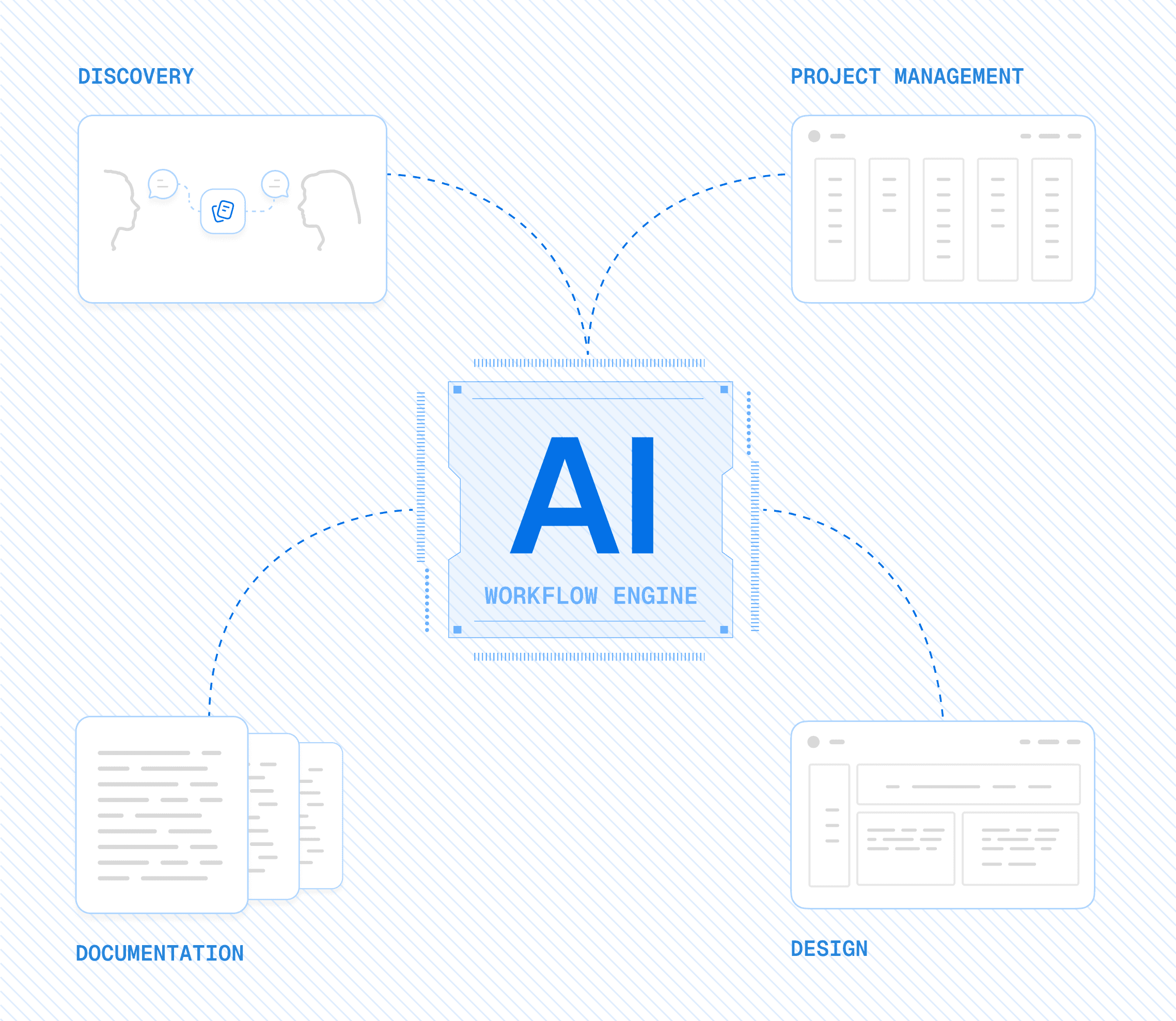
AI ran as the coordination layer across every phase: discovery, design, prototyping, documentation, and engineering requirements.
01.

Discovery: Rapid System Understanding

02.

Design: Engineering-Aligned System Development

03.

Prototyping: Code-Grounded Iteration

04.

Documentation: Automated and Structured Outputs

AI accelerated discovery by processing information that would have taken weeks of manual review. The team recorded narrative walkthroughs of existing products and workflows in Microsoft Teams. AI converted the transcripts into structured documentation, capturing features, workflows, and interface patterns. Cursor, Claude Code, and MCP-connected integrations with Jira and Confluence then surfaced overlapping functionality, redundancies, and structural patterns across product lines. The output was an information architecture baseline that clarified system relationships and named the consolidation opportunities.

Diagram showing an AI workflow engine orchestrating discovery, design, documentation, and project management processes within an enterprise design system.

01.

Discovery: Rapid System Understanding

AI accelerated discovery by processing information that would have taken weeks of manual review. The team recorded narrative walkthroughs of existing products and workflows in Microsoft Teams. AI converted the transcripts into structured documentation, capturing features, workflows, and interface patterns. Cursor, Claude Code, and MCP-connected integrations with Jira and Confluence then surfaced overlapping functionality, redundancies, and structural patterns across product lines. The output was an information architecture baseline that clarified system relationships and named the consolidation opportunities.

Diagram showing an AI workflow engine orchestrating discovery, design, documentation, and project management processes within an enterprise design system.

02.

Design: Engineering-Aligned System Development

03.

Prototyping: Code-Grounded Iteration

04.

Documentation: Automated and Structured Outputs

Key Outcomes

2-3x Team Leverage.
Two designers delivered the output of a four-person team in four months by using AI across discovery, design, and documentation.

Engineering-Ready Design.
Designs were built inside real frameworks such as Bootstrap, not abstract mockups. Handoff friction dropped and rework fell.

Faster Delivery.
AI cut time spent on analysis, iteration, and documentation. Timelines shortened, quality held.

Automated Workflows.
Documentation, reporting, and backlog creation ran automatically. The team focused on review and judgment.

Context-Aware Knowledge.
AI delivered real-time access to accessibility standards, framework conventions, and engineering norms, with shared context running through MCP.

Stronger Alignment.
Shared documentation and visibility improved decisions across design, engineering, and product.

2–3x

Team Output. A team of two designers delivered the equivalent output of a four-person team.

4 Months

Accelerated Delivery Timeline. Designers were able to deliver 2X the work within a four-month period.

~50%

Smaller team than traditional engagements.

Near-Zero

Design-to-Engineering Rework.

Need a custom agentic enterprise solution? We turn ideas into real products.

Have a similar task or project? Let's talk about it!

Have a similar task or project? Let's talk about it!

aria-label="Home"

Copyright © 2026 Roko Labs Inc.

All rights reserved.

1250 Broadway, 36th Floor, New York, NY, 10001

aria-label="Home"

Copyright © 2026 Roko Labs Inc.

All rights reserved.

1250 Broadway, 36th Floor, New York, NY, 10001

aria-label="Home"

Copyright © 2026 Roko Labs Inc.

All rights reserved.

1250 Broadway, 36th Floor, New York, NY, 10001

aria-label="Home"

Copyright © 2026 Roko Labs Inc.

All rights reserved.

1250 Broadway, 36th Floor, New York, NY, 10001