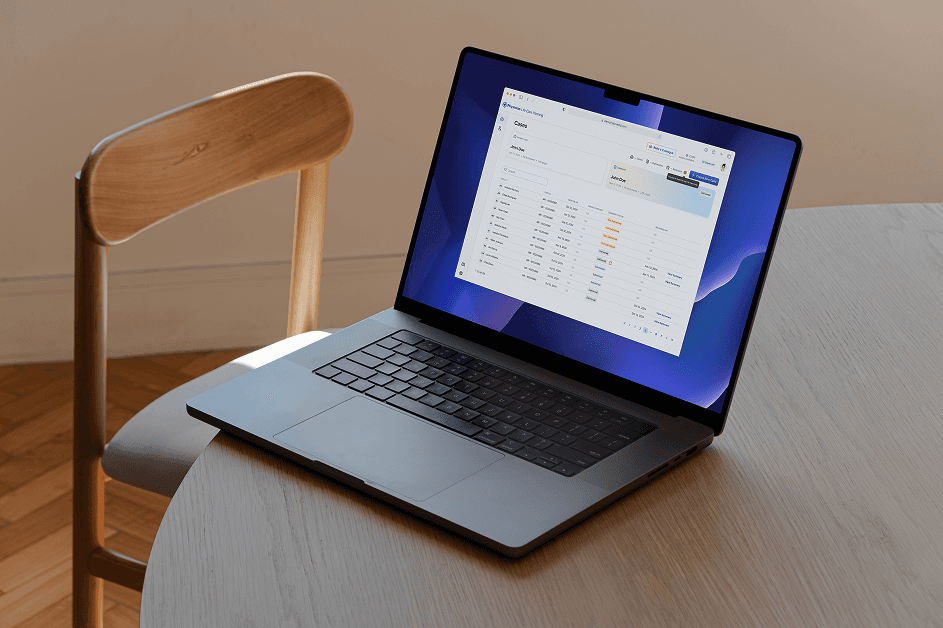
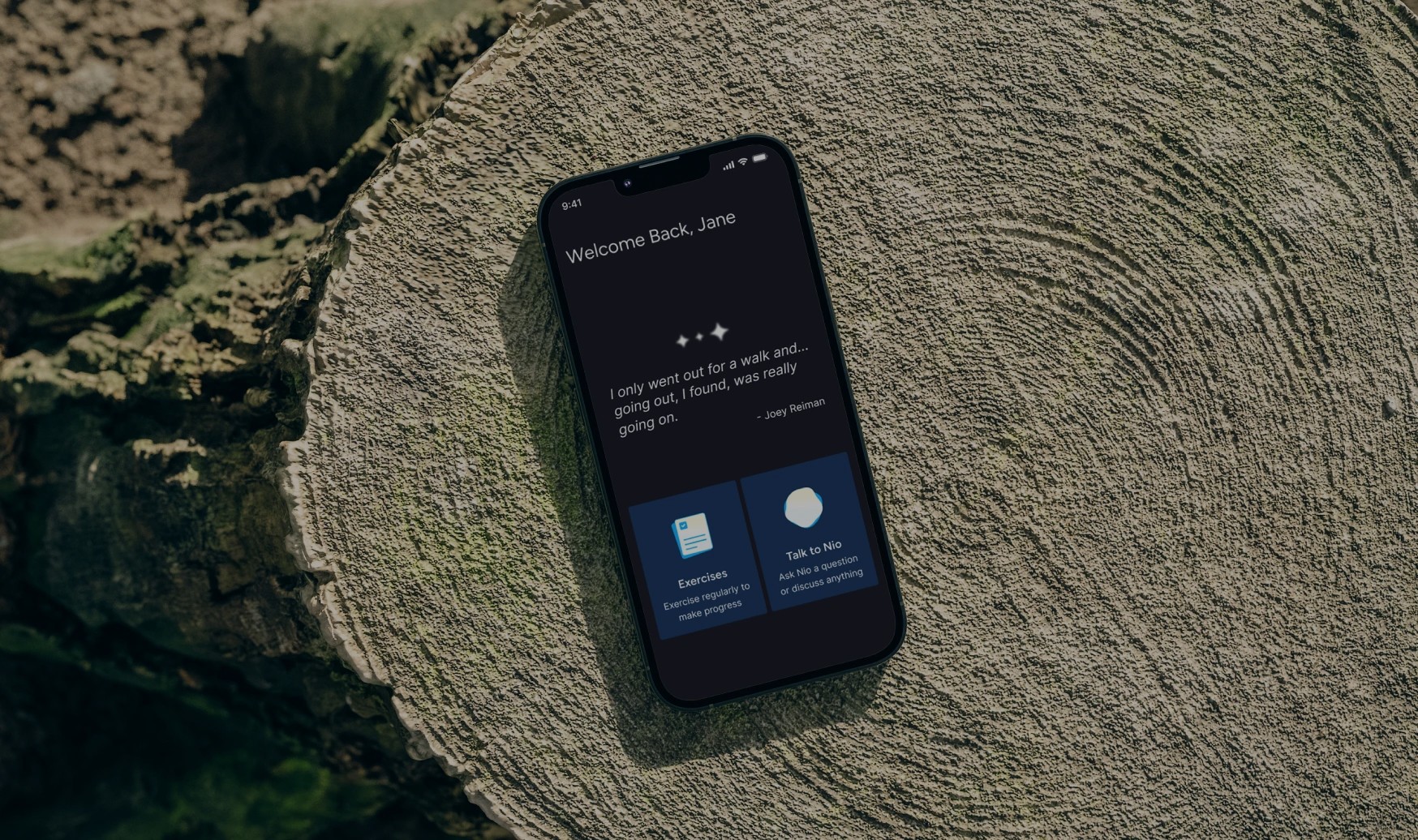
Rebuilt 73 Strings Valuation Platform: 600+ Screens, 6 Months
Introduced by Blackstone, Roko Labs rebuilt 73 Strings' Stage B investment valuation platform in six months. 600+ screens, a 103-component design system, and three product verticals unified into one.
Problem
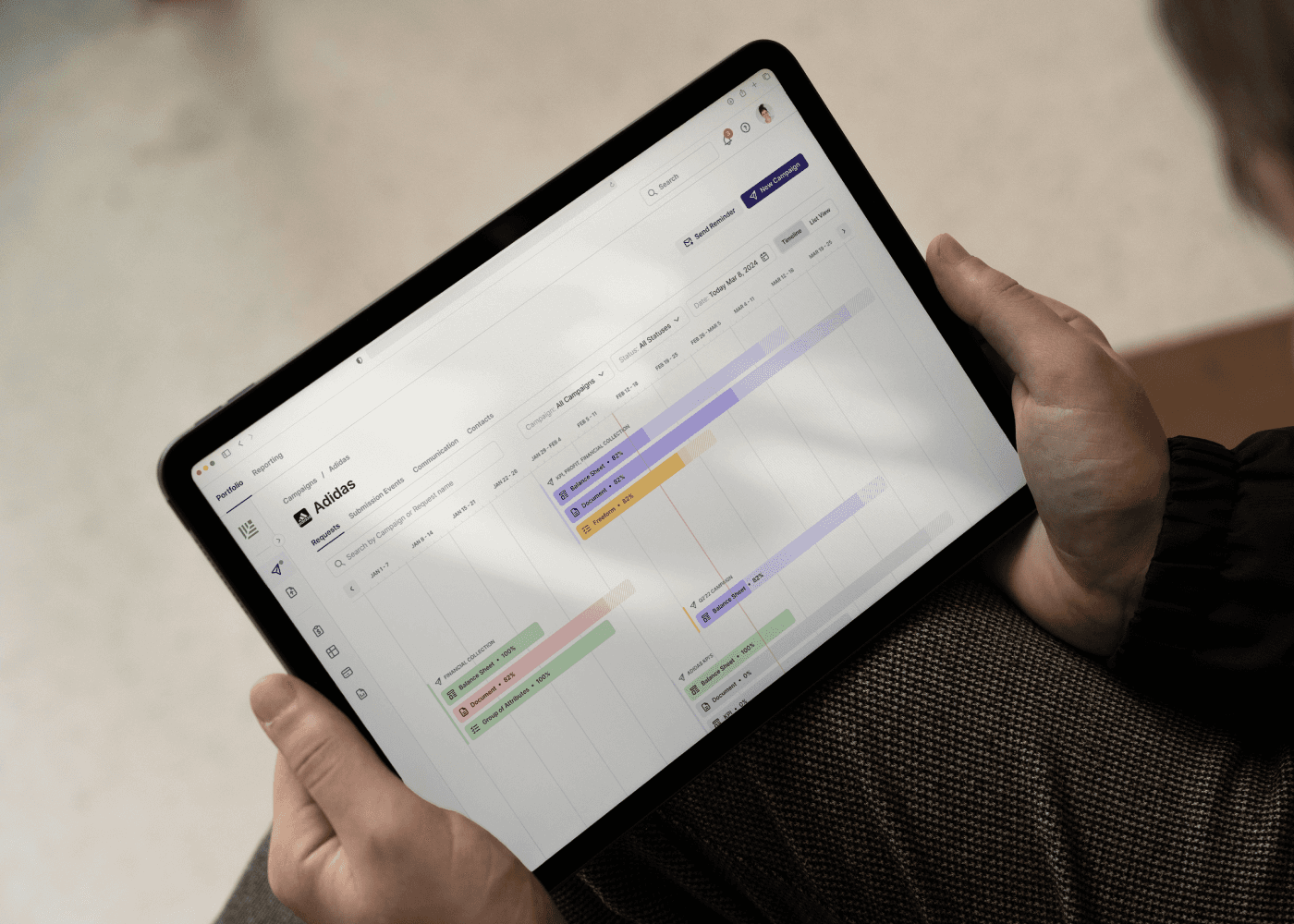
73 Strings, a Stage B investment valuation platform, had a sophisticated and powerful product but was struggling to convert demos into customers due to poor workflows, design, UX, and UI. They lacked a standard design system or UI component library utilized by delivery teams, leading to disparate, non-unified user experience that frustrated their users and made sales difficult.
Our Vision
Roko Labs was introduced by Blackstone to complete user research, UX design, and front-end engineering, providing detailed, screen-by-screen recommendations and work to develop the front-end code for a platform-wide UI/UX transformation of their entire product suite.

User Research
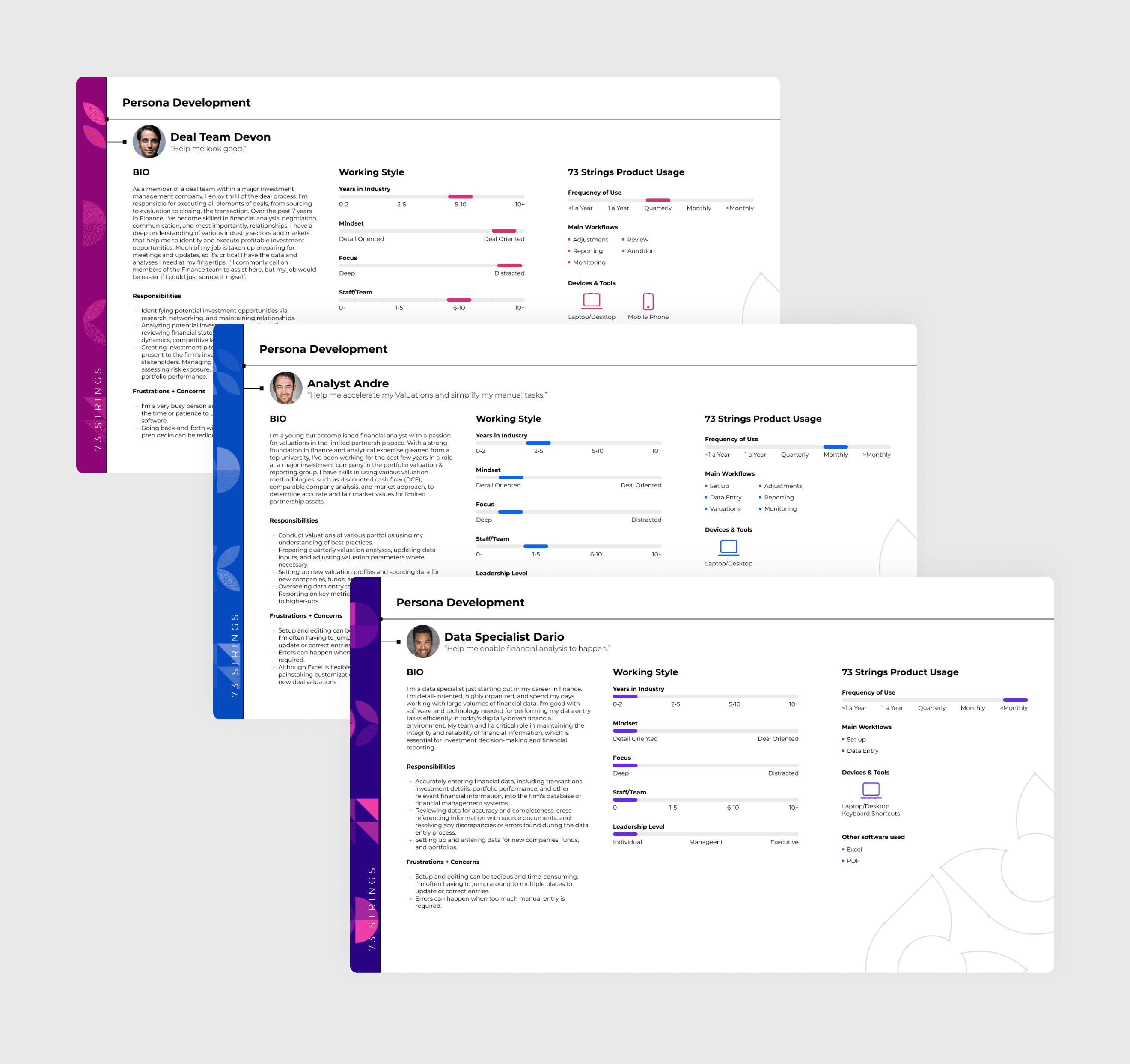
For our platform redesign, we conducted an in-depth user interface (UI) review to analyze the current user experience (UX), information architecture, and user challenges. Through our interviews with over 24 active users and internal stakeholders, we gathered valuable insights to identify pain points and optimize usability. By workshopping research findings, we developed data-driven design recommendations and detailed user personas to enhance engagement. Throughout the process, we conducted focus group testing, presenting design solutions to users for real-time feedback, ensuring an intuitive, user-friendly interface aligned with their needs.
24
user interviews to capture usability challenges and context of use
6
personas uniquely identified for top use cases and workflows


Designing for Maintenance & Scalability
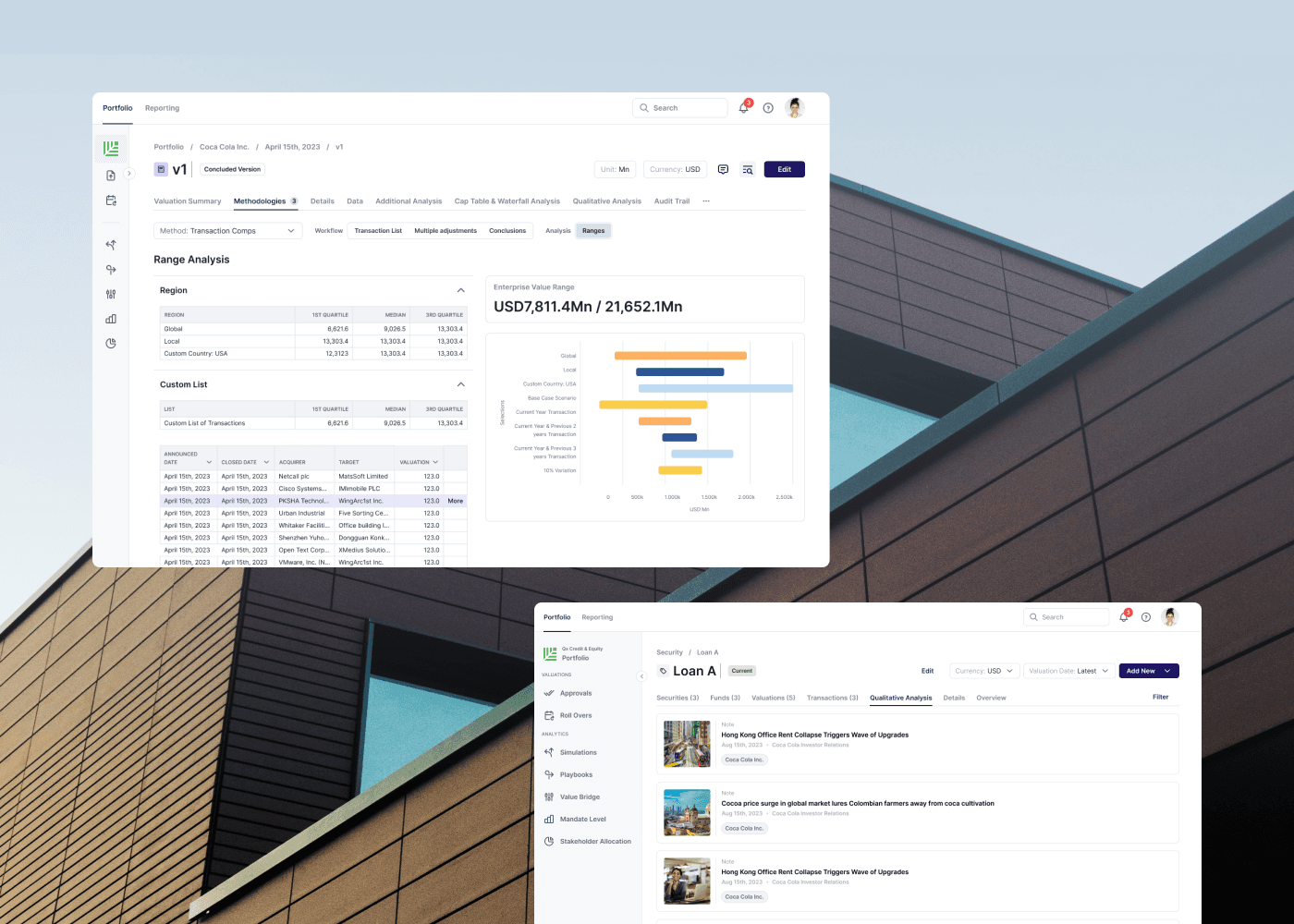
The primary goal of this project was to unify and enhance the site’s structure and navigation across two distinct products while creating a scalable foundation for future growth. Beyond improving usability and navigation, we aimed to clarify the relationships between products, data, and ownership, empowering product teams to better understand component distinctions and responsibilities.
By redesigning everything from the ground up, we modernized the interface while also refining how frontend components represent backend structures within each product offering. A key aspect of this was implementing a product component taxonomy, using design to clarify which artifacts—outputs, data, or features—belonged to which product. This approach not only improved usability but also helped product teams better grasp ownership, relationships, and dependencies within the platform, creating a more scalable and maintainable system for future expansion.


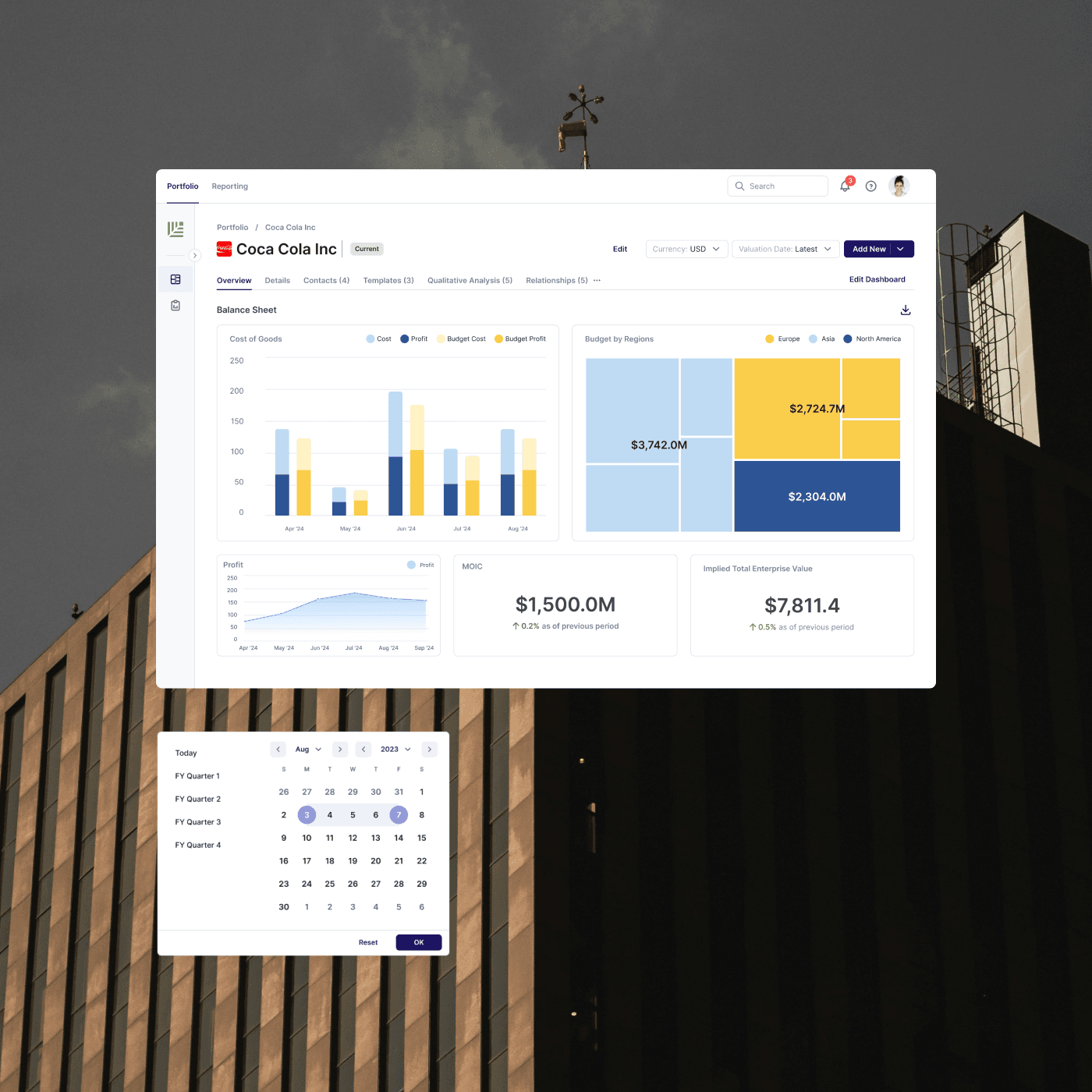
A key focus of the redesign was to create a highly flexible and scalable dashboard solution, allowing companies to tailor dashboards to their specific use cases without requiring extensive product development. We wanted to ensure that users could configure dashboards to fit their unique workflows while making it easy to export data into PowerPoint (PPTX) for seamless integration into existing reporting processes.
9
chart types for diverse financial valuation cases
3
Breakpoints for responsiveness




Design Systems Built for Effiency & Consistency
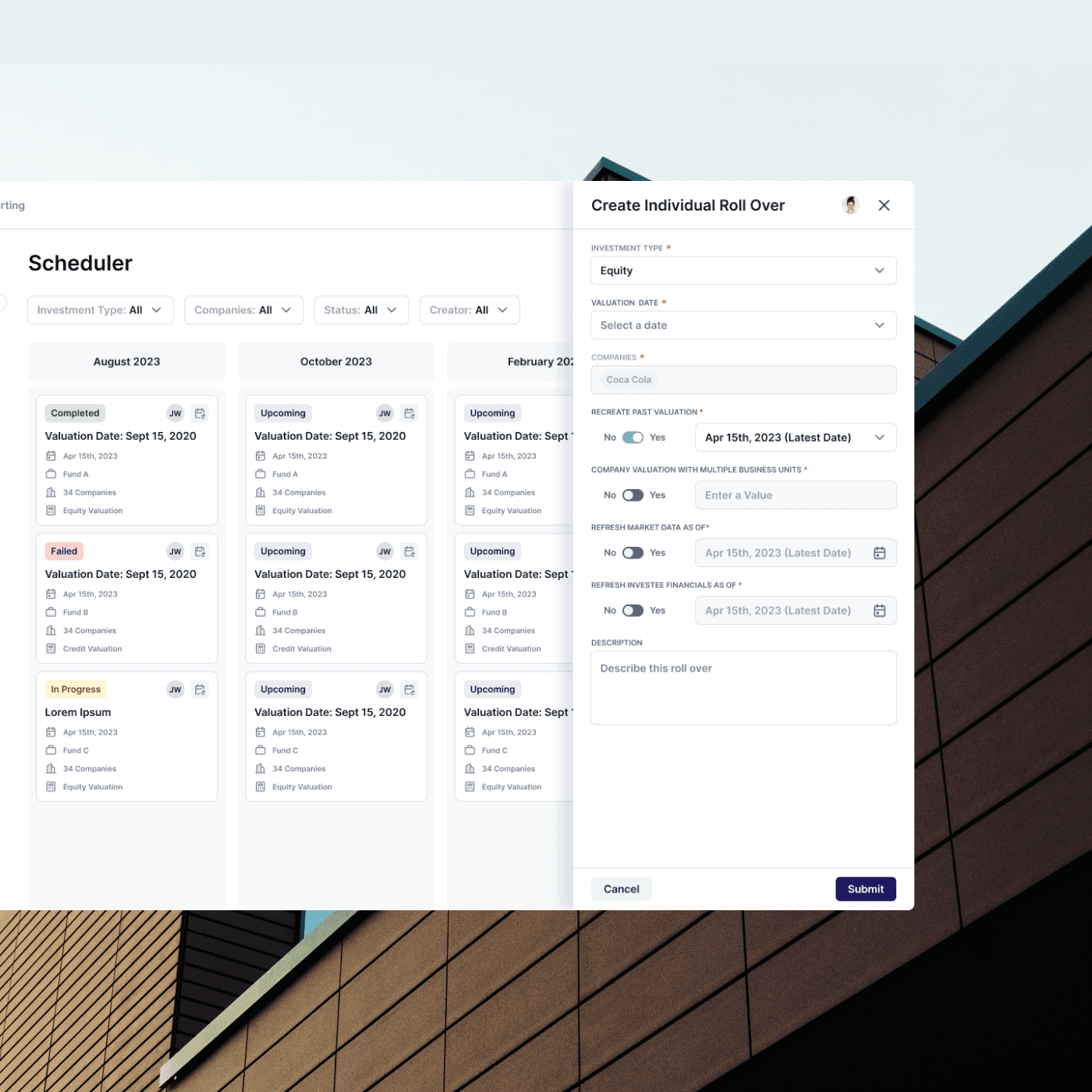
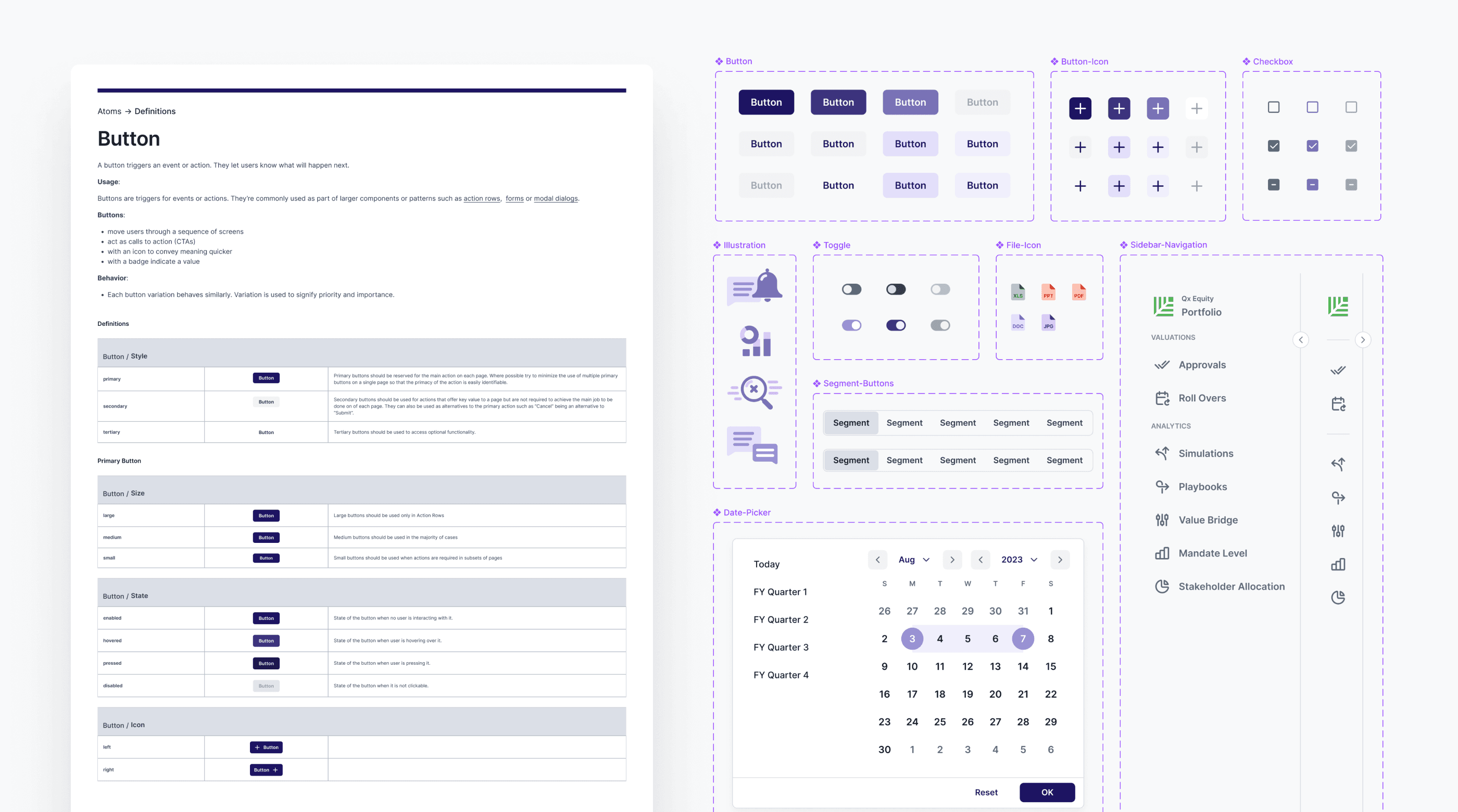
Our design system is built for consistency, scalability, and efficiency, featuring a structured typography and color system, standardized component behaviors, and clear guidelines.
Using atomic design, we created a 4px modular grid-based component library, scaling from atoms to organisms for maximum reusability. Figma variables were leveraged to enhance flexibility, while our centralized documentation system streamlined development by consolidating component governance.
We also built a powerful, flexible data table component, designed to handle complex datasets with customizable views and interactions, ensuring seamless usability for 73 Strings' data-heavy workflows.
103
atomic, molecular, and organism components.
144
color variables to support light and dark mode.
Front-End Engineering
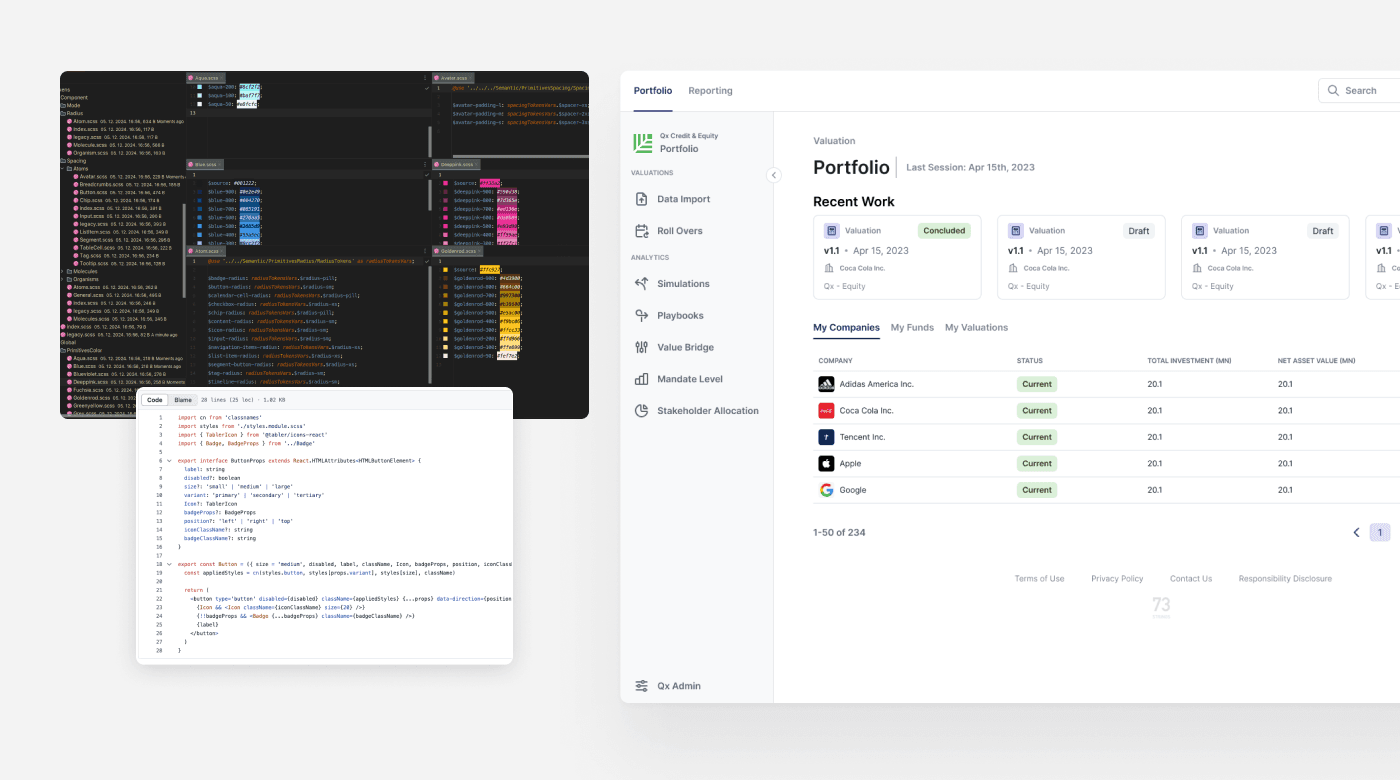
We built the front-end using Angular and implemented Storybook to bridge design and development, creating a shared workspace for real-time collaboration and refinement.
Storybook enabled isolated component testing, ensuring designs were execution-ready and development-conscious from the start. By catching inconsistencies early, we streamlined workflows and improved accuracy.
Beyond collaboration, Storybook served as a code-based source of truth, centralizing documentation across multiple teams and products. This allowed for efficient review and iteration without requiring a fully built frontend, making adoption seamless across 73 Strings’ distributed applications.


Results
We transformed the platform’s structure and navigation, creating a scalable, unified hierarchy that supports future growth. Alongside this, we developed a comprehensive design system with detailed documentation, behavior guidelines, and a centralized component library, ensuring consistency and efficiency across products.
This foundation has enabled 73 Strings to scale its product offering and bring everything under a consistent brand and experience. Since the redesign, the company has attracted new investments, earned multiple industry awards, and strengthened its market position—demonstrating the impact of a well-structured, design-driven approach.
3
product verticals now unified into a single, scalable navigation hierarchy.
600+
screens designed