Computer Vision and LLMs Replace Manual Regulatory Extraction
Roko Labs built a computer vision pipeline for a cloud-based life sciences platform. The pipeline reads medical images and extracts structured data at production scale, under strict reliability requirements. Output runs in near real time, replacing manual extraction across the workflow.
Client
A SaaS platform serving life sciences organizations
Industry
Services
Project Duration
Problem
Regulatory compliance in life sciences marketing is not just a business challenge; it is a multimodal reasoning problem. Marketing materials combine structured and unstructured text, visual elements such as charts and layouts, and cross-referenced claims tied to supporting documentation. All of this must be evaluated against strict and constantly evolving regulatory frameworks, including FDA guidelines.
Document structure is often ambiguous. Multi-column layouts, embedded visuals, and inconsistent formatting complicate interpretation. Claims must be validated across multiple documents, while non-verbal cues such as emphasis, layout, and imagery can introduce compliance risk.
Because of this complexity, traditional automation approaches fall short. Organizations instead rely on time-intensive expert review cycles that can take days to complete for a single document, creating bottlenecks in life sciences marketing workflows.
Our Vision
Rather than treating regulatory review as a prompt engineering exercise, Roko Labs approached the challenge as a distributed AI systems engineering problem.
The goal was to design an AI regulatory compliance system capable of:
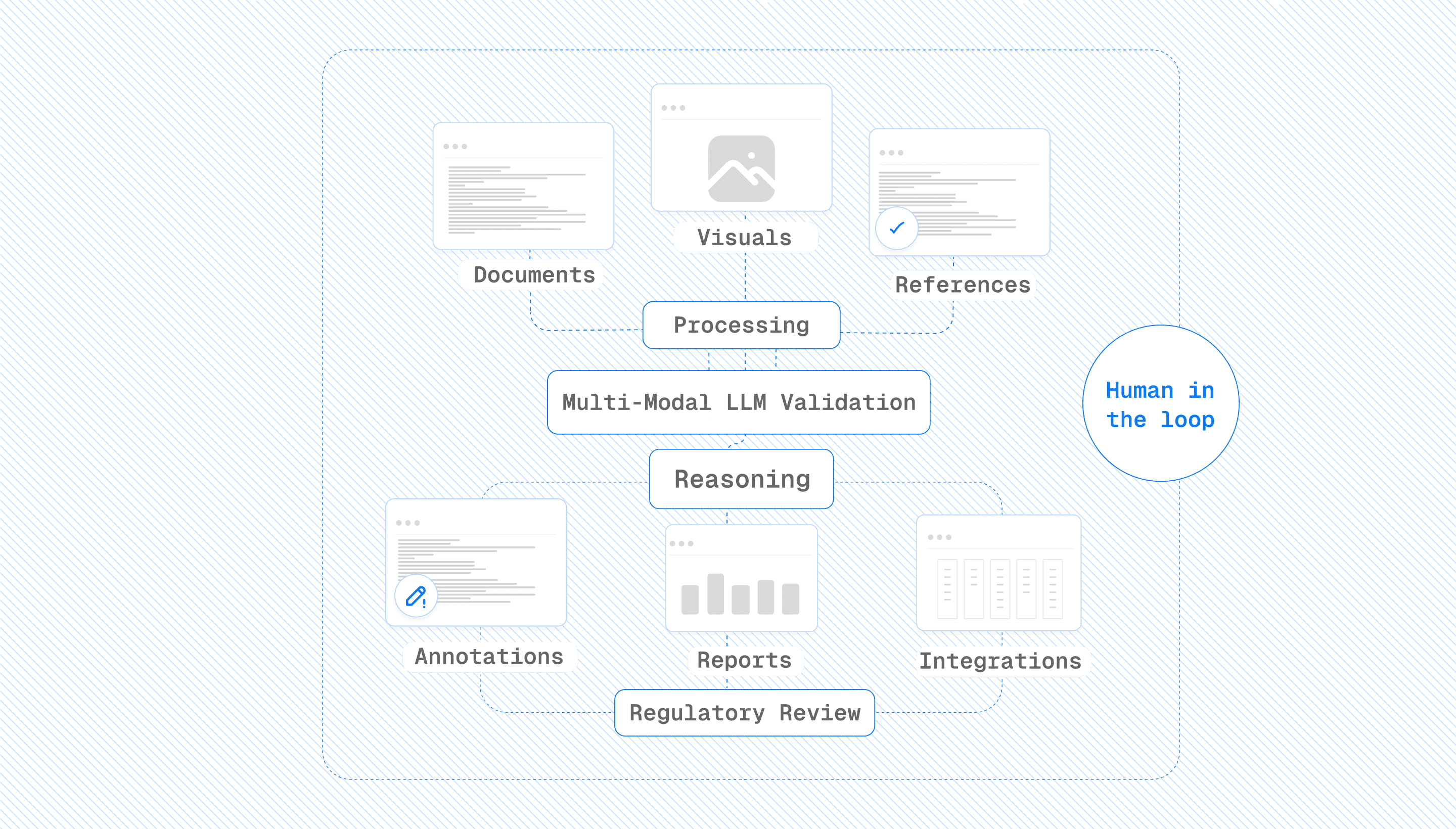
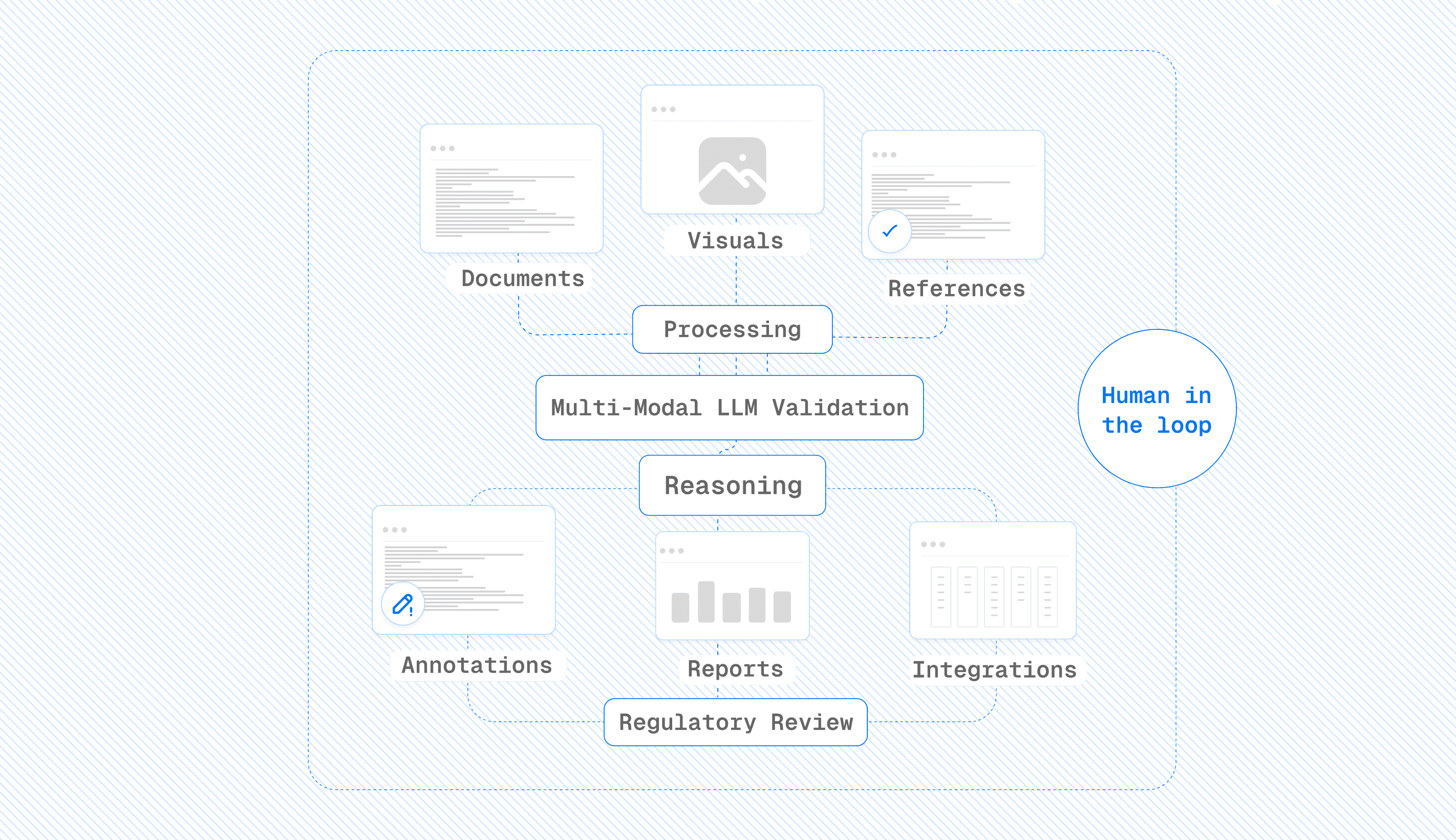
• Decomposing complex, multimodal documents into analyzable components
• Reconstructing document structure and meaning across text and visuals
• Grounding outputs in regulatory frameworks and source evidence
Equally important, the system needed to integrate seamlessly into existing enterprise workflows. For our client, this meant direct integration with Veeva, the platform used by their marketing material reviewers.
The architecture was also designed for regulated environments, where:
• AI outputs are inherently non-deterministic
• Human oversight is mandatory
• Traceability and explainability are critical requirements
Why a Monolithic LLM Approach Fails
Early experimentation confirmed that feeding entire documents into a single large language model was insufficient for reliable AI compliance review.
Large documents quickly exceed effective reasoning capacity. OCR-generated text alone strips away layout and structural cues that are essential for interpretation. Without grounding in external references, claims cannot be validated, and visual elements are either ignored or misinterpreted.
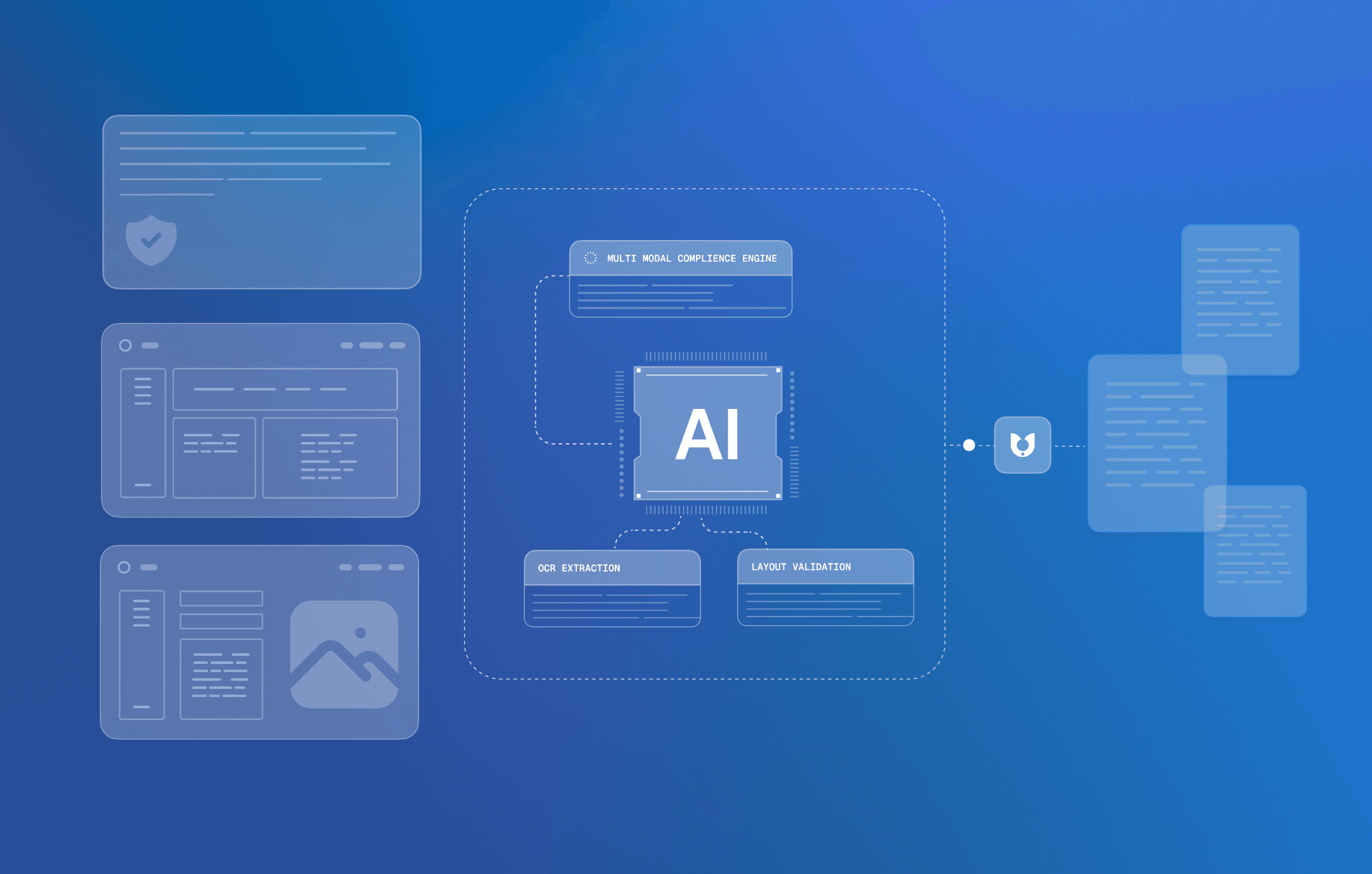
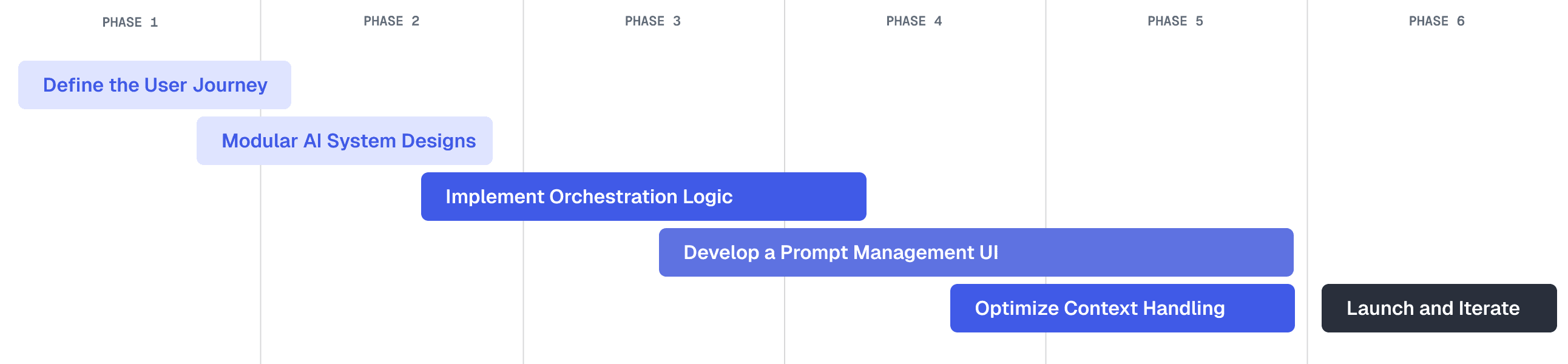
To overcome these limitations, the team at Roko Labs designed a multi-stage, multimodal AI pipeline, where each step produces structured outputs that feed into downstream reasoning and validation.
Solution
Partnering closely with the client and their internal workflows, the team at Roko Labs built an AI compliance platform composed of coordinated processing pipelines and a layered reasoning system.
Key capabilities include:
• Computer vision for layout detection and document structure reconstruction
• LLM-based claim extraction and regulatory reasoning
• Evidence-grounded validation against supporting documentation
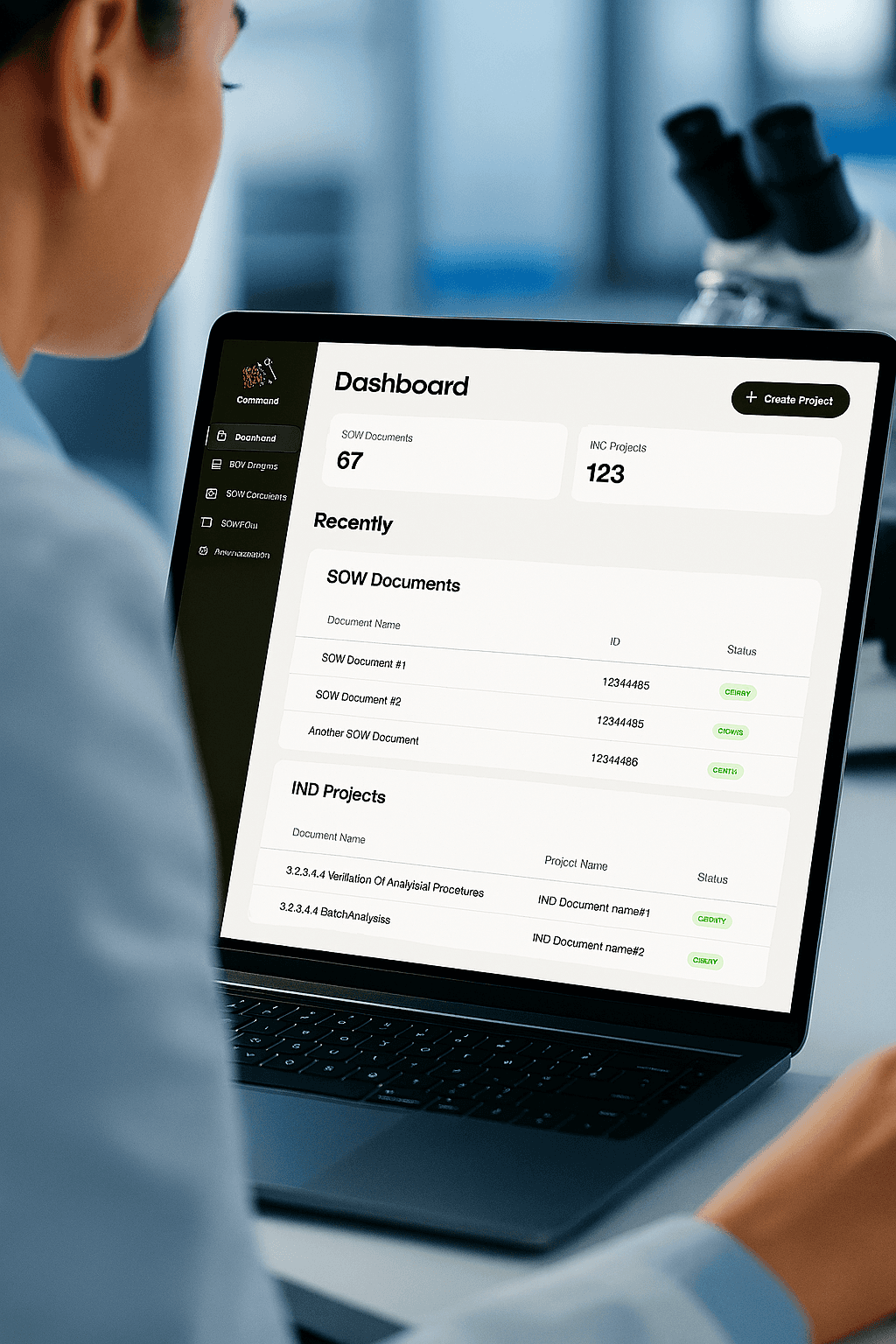
The platform integrates directly into the client's existing workflow environment, allowing users to initiate compliance analysis within familiar tools. AI-generated annotations appear alongside human feedback, while structured reports can be reviewed independently.
Rather than issuing binary pass/fail decisions, the system mirrors the behavior of expert reviewers by:
• Highlighting potential compliance risks
• Providing contextual annotations
• Validating claims with traceable evidence
This approach positions AI as a decision support layer, accelerating regulatory review without replacing human judgment.
Engineering Challenges and System Tradeoffs
As noted by Roko Labs' Lead AI Architect Renato Železnjak:
“While it seemed that the project might be relatively easy, it was quite complex. The key challenge was figuring out how to break the workflow into individual steps that would produce meaningful results.”
One of the primary challenges was decomposing the workflow into independent, tractable stages. Each stage needed to be:
• Small enough for reliable processing
• Structured enough for downstream reasoning
• Efficient in terms of cost and latency
Model selection played a critical role in balancing performance, scalability, and cost across the AI system. Different pipeline stages placed very different demands on underlying models.
To optimize efficiency, engineers at Roko Labs:
• Separated system instructions from dynamic inputs to enable caching
• Reduced payload size through preprocessing
• Assigned models based on task complexity
For high-volume OCR post-processing and layout reconstruction, lighter-weight models were used, achieving approximately 3× cost reduction while maintaining acceptable performance. More complex tasks, such as regulatory validation and multimodal reasoning, continued to rely on higher capability models to ensure accuracy and reliability.
Results: Faster, More Consistent Regulatory Review
The AI compliance system reduced initial regulatory review time from multiple days to approximately 15 minutes per document.
This enabled:
• Scalable and repeatable pre-review workflows
• Earlier identification of compliance risks
• Improved consistency across reviews
Most importantly, the system was intentionally designed as decision support, ensuring that final judgment remains with human regulatory experts.
Business Outcomes and Impact
This architecture demonstrates how AI can be applied responsibly and effectively in highly regulated industries. The team at Roko Labs helped the client navigate the uncertainty of applying LLMs to compliance workflows and build a production-ready AI regulatory review system.
The resulting foundation is extensible to:
• Additional regulatory markets
• Other compliance-driven industries, such as financial services and insurance
A Trusted Partner for Regulated AI Systems
Building AI systems for regulated environments requires more than technical skill; it requires engineering judgment under constraints.
Roko Labs brings deep expertise in multimodal AI architecture, LLM optimization, and compliance-aware system design. By balancing innovation, cost efficiency, and regulatory requirements, Roko helps organizations move from experimentation to real-world, compliant AI solutions.