Case Study
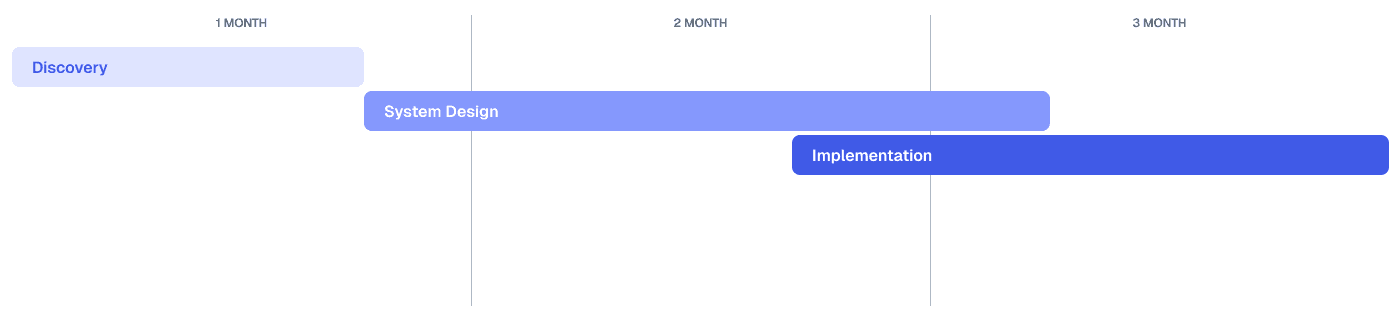
Roko Labs led a three-month discovery for Physician Life Care Planning, a healthcare advisor to personal injury law firms. Roughly 85% of those firms still consolidate medical records by hand. The work produced paralegal personas, customer journey maps, JTBD analysis, and high-fidelity product designs.

The Challenge
Physician Life Care Planning (PLCP), a leading provider of advisory services for personal injury law firms, engaged Roko Labs to partner on a significant new venture to transform their business: a digital service to help law firms consolidate and organize vast numbers of medical records and case materials during the case evaluation process.
This process, currently done entirely manually by approximately 85% of personal injury law firms in their customer base*, can be vastly improved with AI and digital technology. PLCP’s new product line has the potential to expand its market share for its existing product suite and generate significant new recurring revenue. PLCP started with user research to better understand the opportunity and understand their current customers’ reception of the product concept.
Our Vision
At the start of a larger development engagement, Roko Labs was engaged by PLCP to complete user interviews, competitive research, and customer surveys to help PLCP refine its product vision, pricing model, target persona, and go-to-market strategy. In addition, the research helped to build a future product roadmap post-launch, based on additional value-added features.

Competitive Research
We conducted competitive research for our digital application by first defining our objectives, target audience, features, and unique selling proposition. We identified both direct and indirect competitors and analyzed their offerings, pricing strategies, strengths, weaknesses, and user feedback. Our research involved checking competitor websites, forums, and social media for insights on market trends and user engagement. We focused on visual styles, communication approaches, onboarding processes, feature comparisons, and customer satisfaction. This helped us understand the competitive landscape better.
Target User Personas
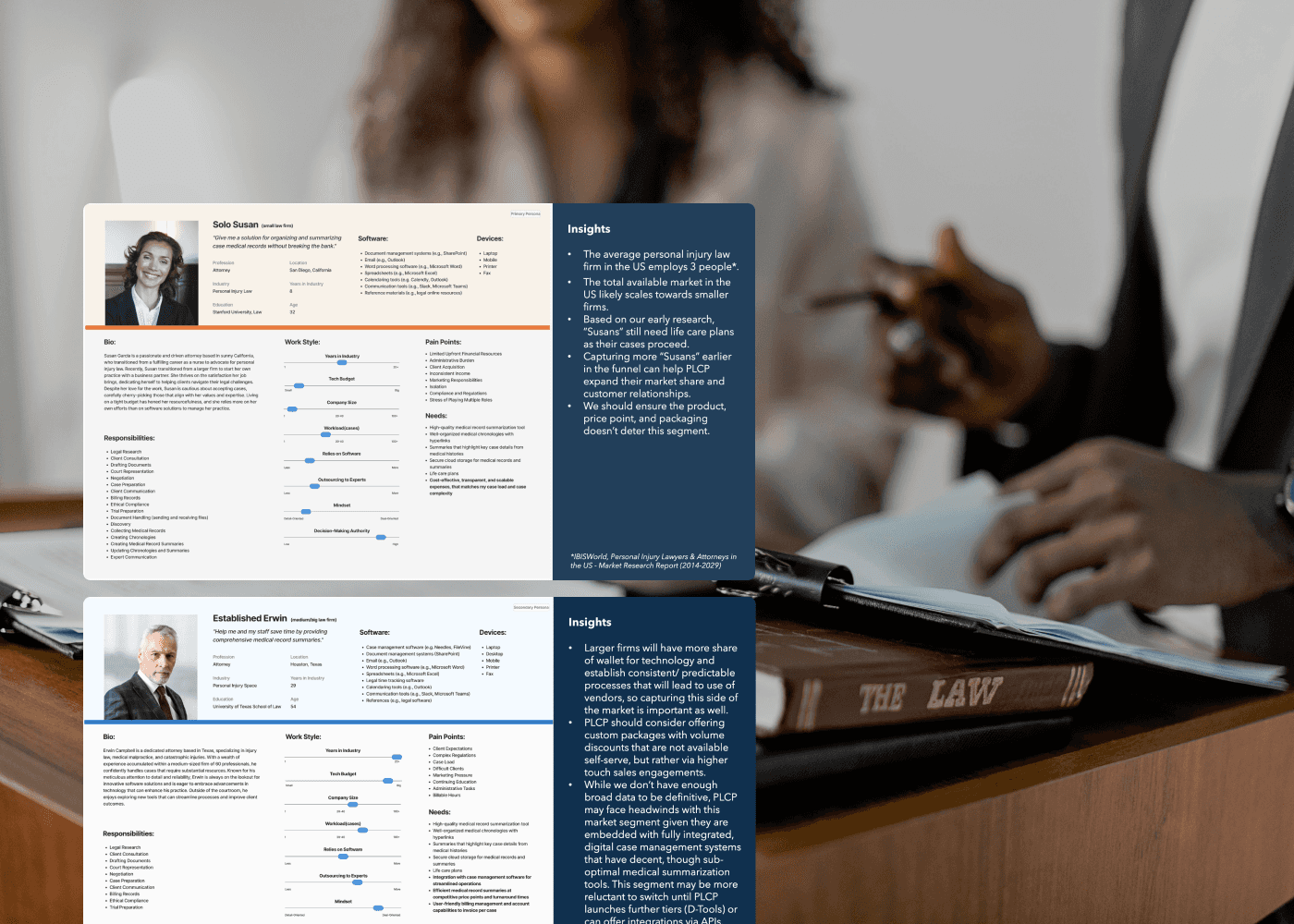
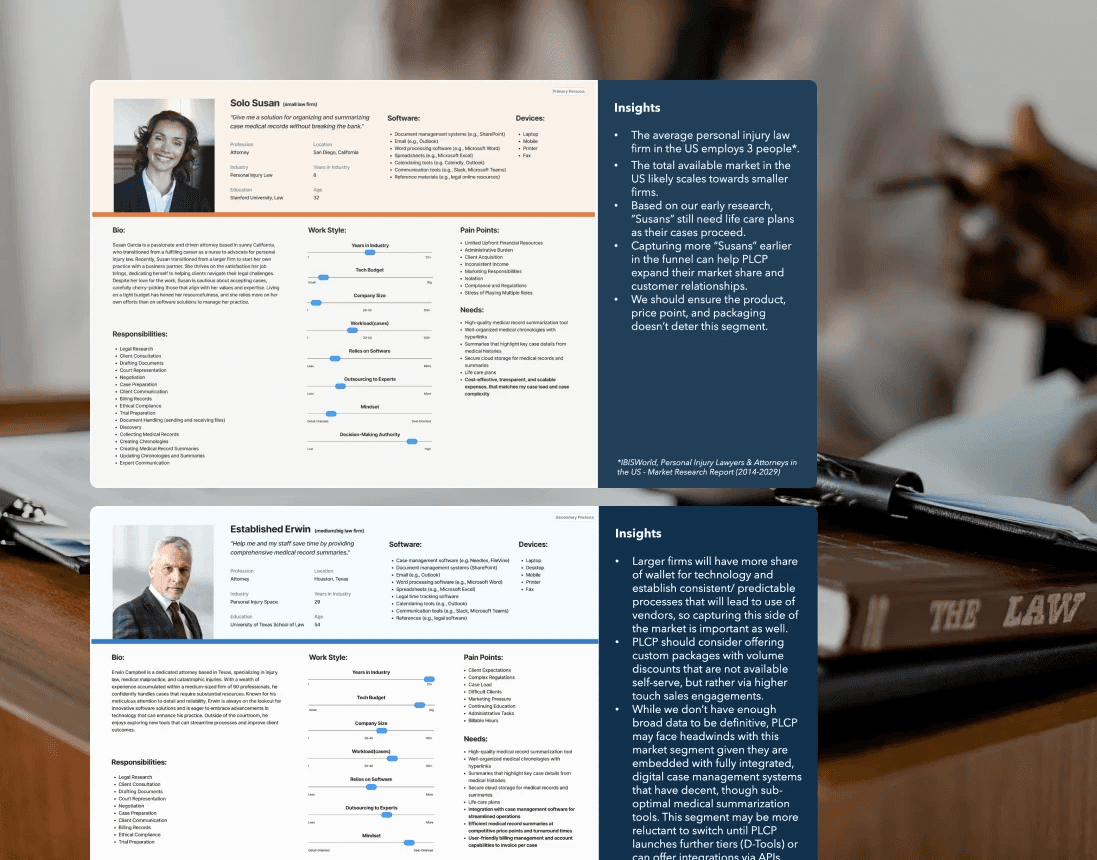
Through our customer research, we collected both qualitative and quantitative data from surveys, interviews, and usability tests, which helped us identify patterns in user behavior and preferences. This analysis allowed us to segment our audience into four main personas, with the "Paralegal" being our primary focus. Each persona has clear traits that reflect their specific needs, goals, and challenges in their daily work. Insights into their focus on efficiency, interest in professional development, and preferred tools have guided us in adjusting our strategies and offerings to better meet the needs of this important segment of our user base.
Customer Journey Map & JTBD
Leveraging the insights gained from our extensive research, we developed a comprehensive customer journey map. We articulated the Jobs To Be Done (JTBD) framework to better understand user interactions and motivations throughout their experience with our product. By mapping out each stage of the customer journey—awareness, consideration, purchase, and post-purchase—we identified key touchpoints and pain points, revealing how paralegals engage with our services at various moments.
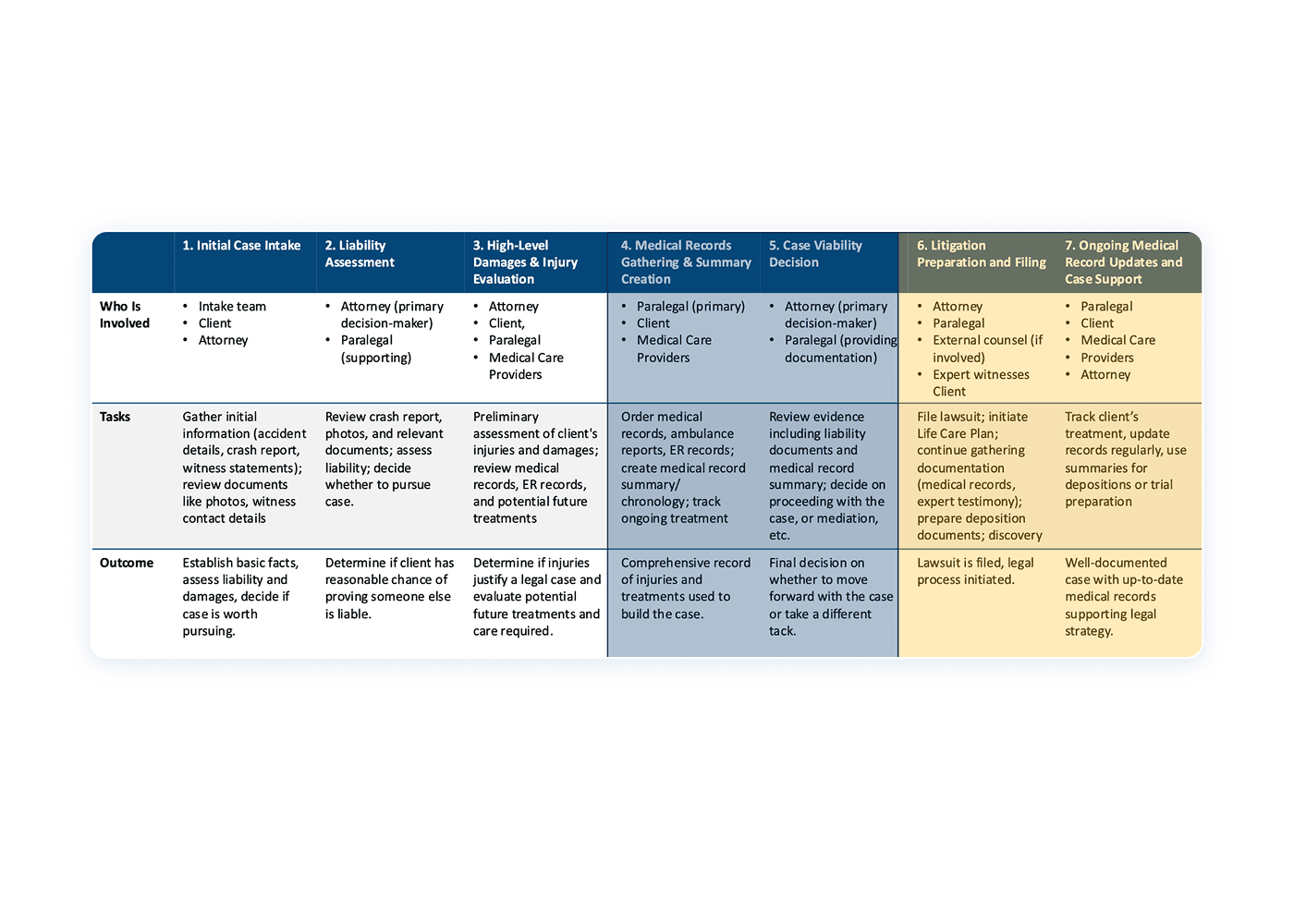
Simultaneously, applying the JTBD framework allowed us to categorize user needs into specific tasks they aim to accomplish within their roles, enabling us to pinpoint opportunities for enhancement and innovation. This dual approach not only clarified the path users take but also aligned our product development efforts with the real-world challenges faced by our target audience, ensuring our solutions are both relevant and impactful.
Deeper Customer Insights
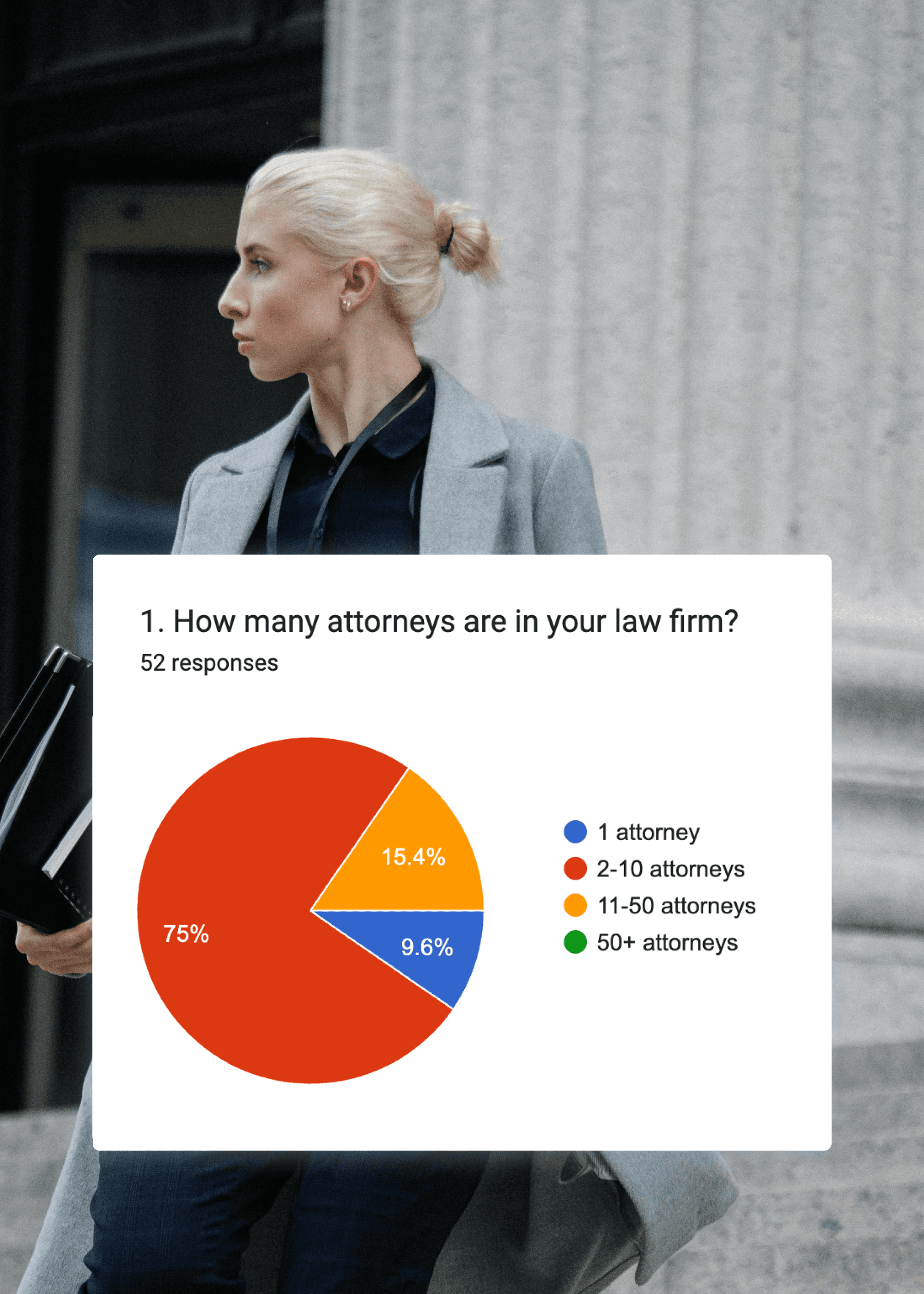
Through our research efforts, we gathered important insights and data that answered essential questions about law firms’ practices. By using surveys and interviews, we were able to learn about the tools and processes firms use to create medical record summaries, the number of attorneys in each firm, and who is primarily responsible for managing these summaries. This information helped us better understand the workflows of attorneys and their support staff, allowing us to identify opportunities for improvement in handling medical record documentation.


Pricing Strategy Options & Recommendations
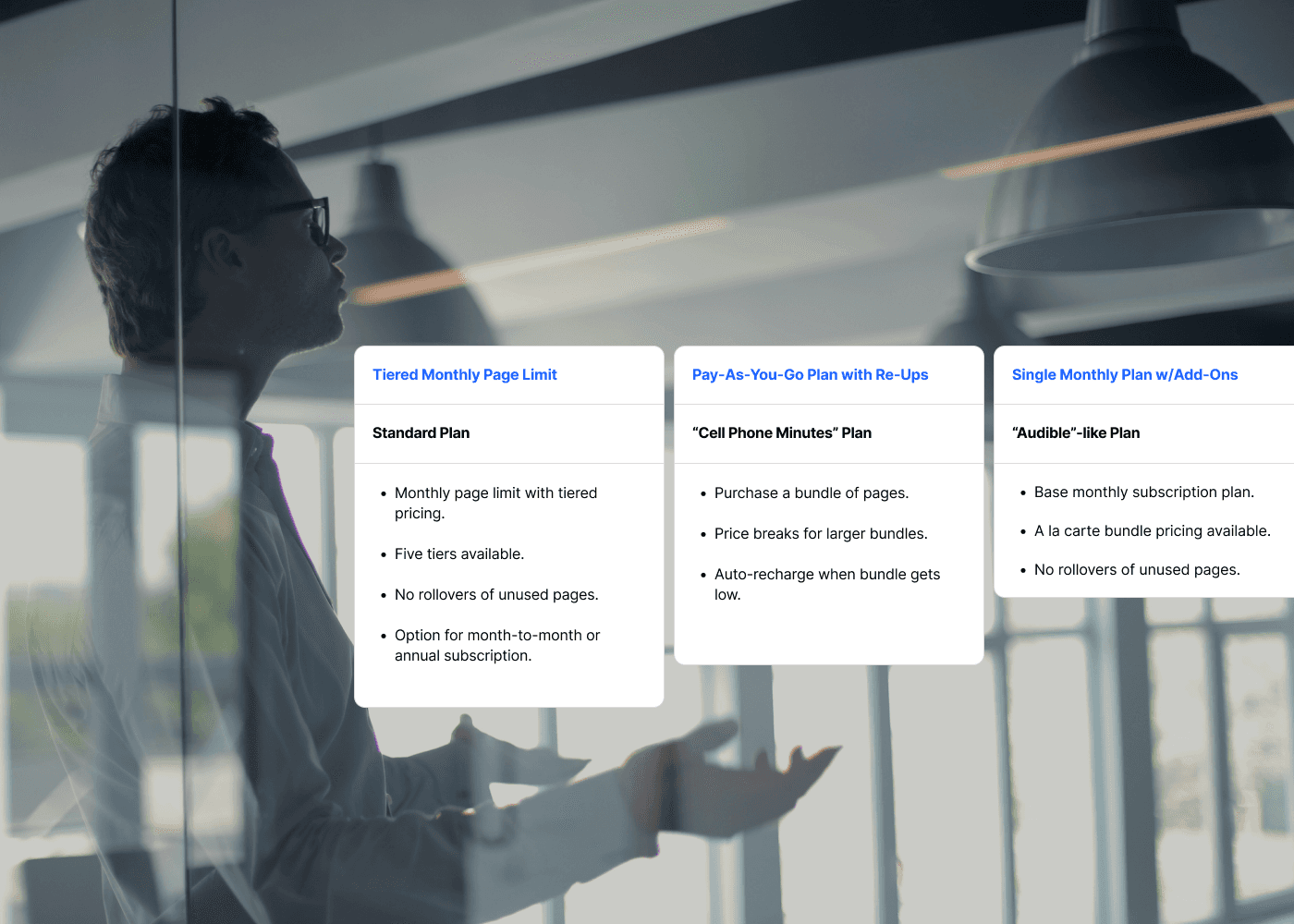
Based on our research, we developed and tested three pricing strategies for consideration: a Tiered Monthly Page Limit, which allows customers to choose plans based on their expected usage for added flexibility; a Pay-As-You-Go Plan with Re-Ups, enabling users to pay only for the services they use and refill credits easily; and a Single Monthly Plan with Add-Ons, providing a straightforward subscription model that can be tailored with extra features. These strategies are informed by our analysis of competitors, ensuring we offer options that cater to diverse user preferences and budgets.
Results
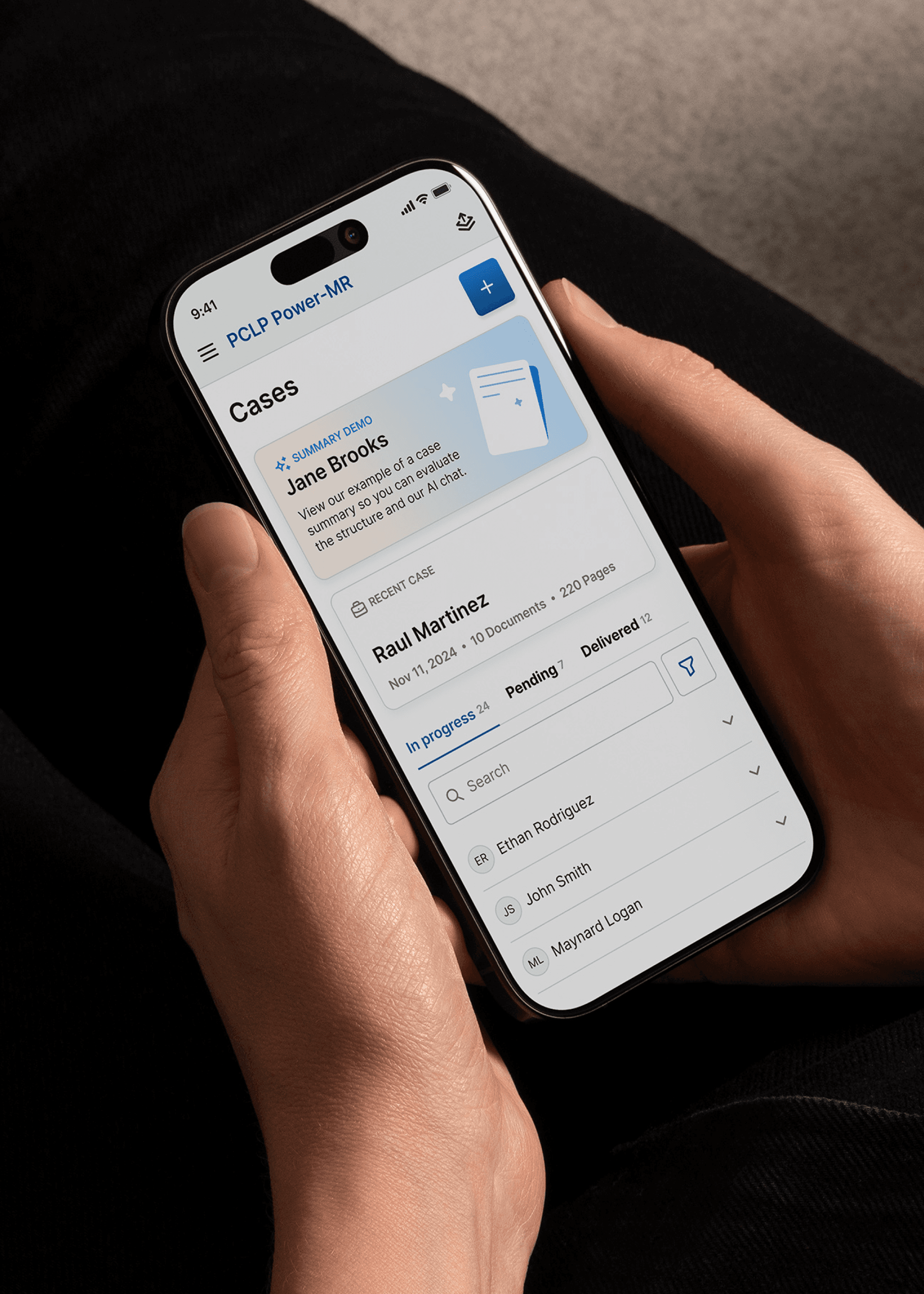
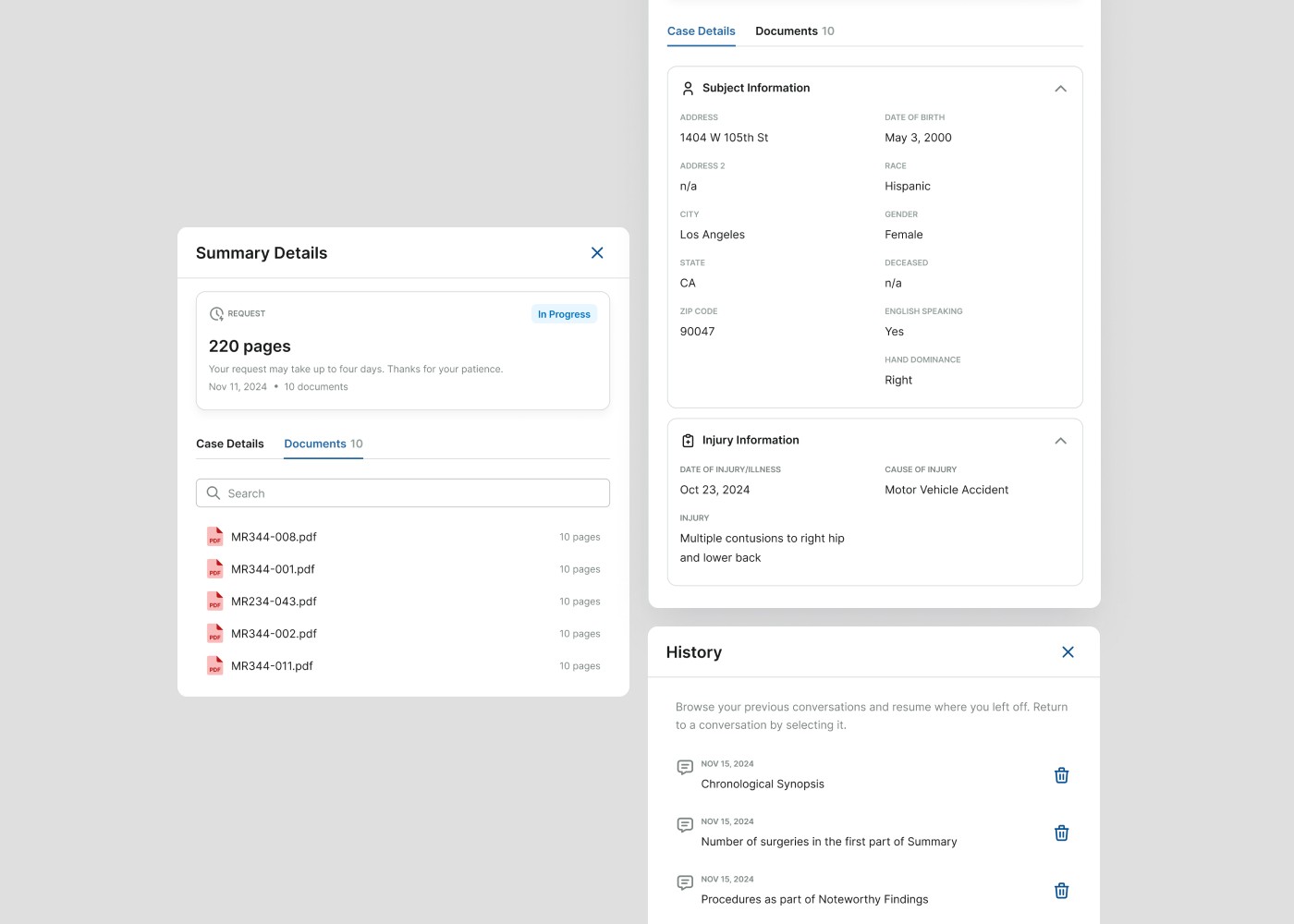
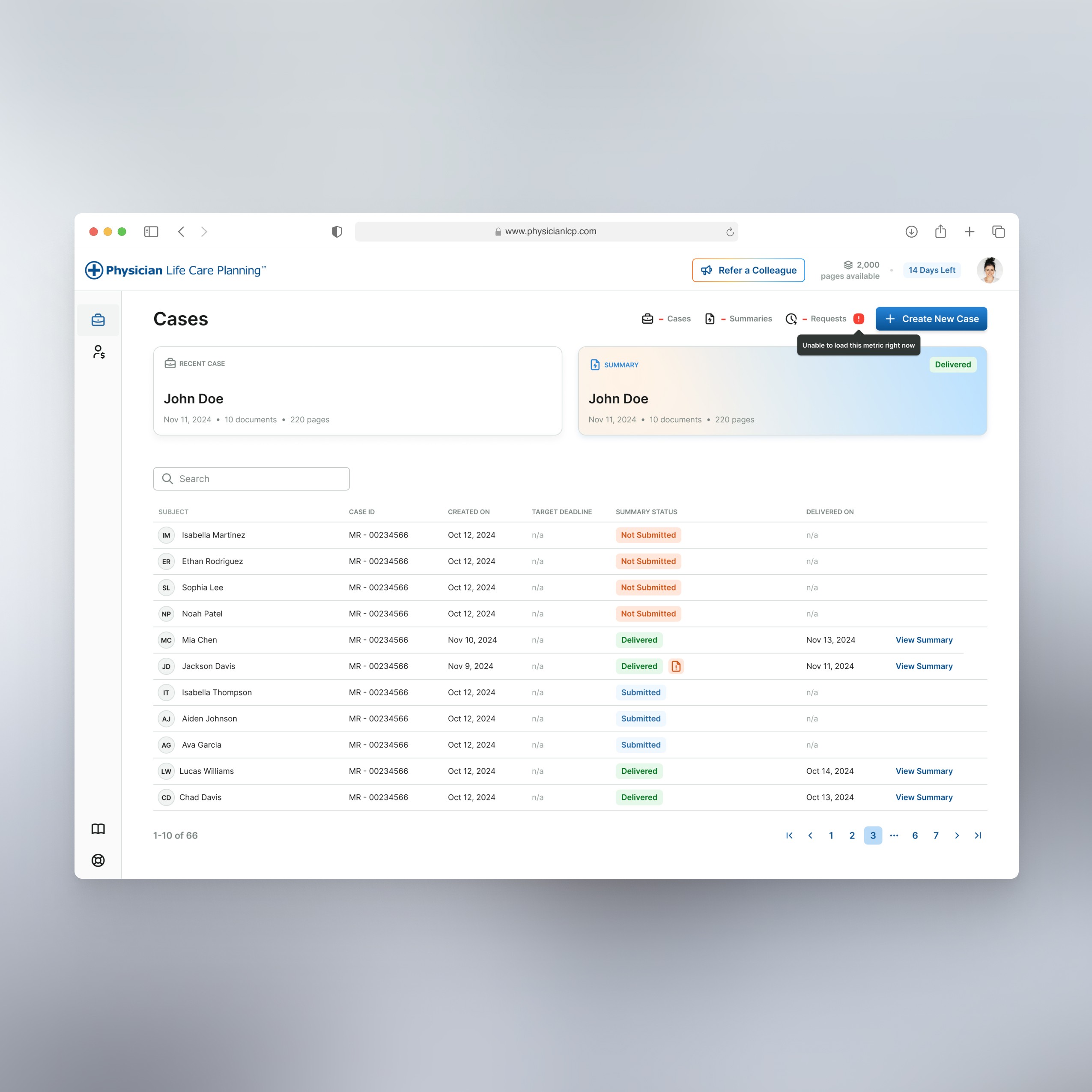
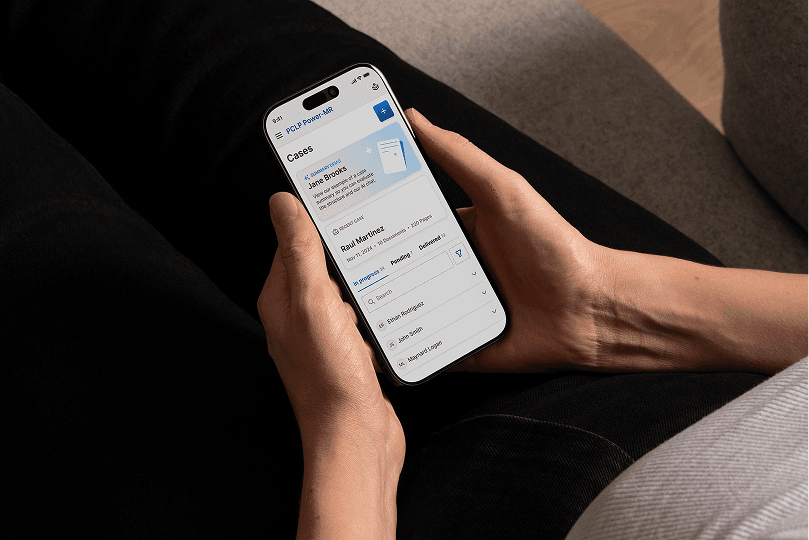
The engagement culminated in a set of high-fidelity product designs that translated early research insights into a practical, user-centered experience. By focusing on the paralegal persona and their workflow challenges, the designs emphasized intuitive document upload, automated summary generation, and streamlined organization features directly shaped by user interviews and JTBD analysis. These validated concepts now serve as the foundation for the product build, ensuring the solution is tightly aligned with real-world needs. With development underway, PLCP is positioned to launch a differentiated, revenue-generating product that resonates with its core legal audience.